
AI in Society

AI in Society encompasses the widespread effects of artificial intelligence systems on everyday life, public institutions, labor markets and civic infrastructure. Truncated covers policy debates, ethics research, socioeconomic impacts, labor shifts and regulatory developments.

Yesterday · Tue 10 Nov

Stanford’s AI100 Report Examines The Cost Of AI Progress

AI-generated summary The 2026 report from Stanford's AI100 examines both the gains from generative artificial intelligence and the unresolved questions surrounding its economic and societal impact. The study highlights an infrastructure boom with consequences for capital markets, electricity demand and freshwater supplies, while noting that artificial intelligence is not yet paying its way.

Also covered by TNW | Artificial-intelligence Tech Xplore
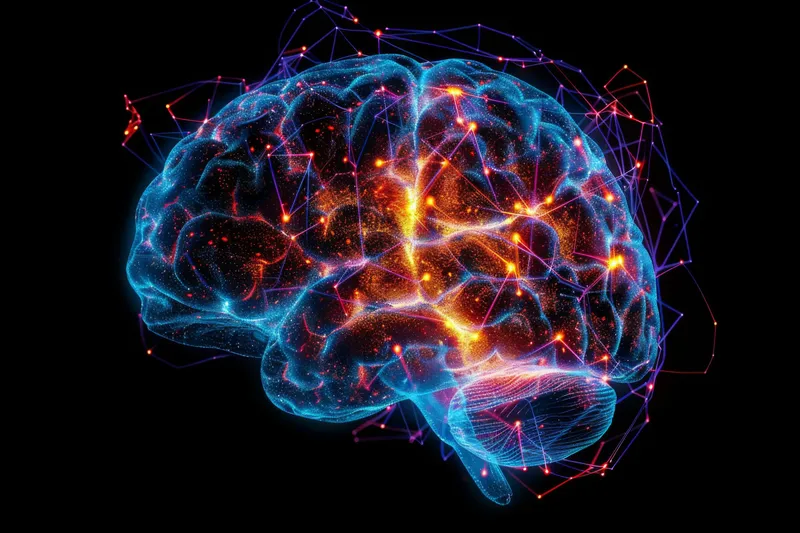
Your meditation headband may be feeding your brainwaves to an AI model

AI-generated summary A report from the journal Science details how companies selling brain-tracking devices are utilizing user brain-signal data to train artificial intelligence models. InteraXon states that training artificial intelligence models on user data makes its products more helpful, though experts express privacy concerns regarding consumer electroencephalography devices.

Also covered by Malwarebytes

Human-Pilled

AI-generated summary O’Reilly Media reports that Tim O’Reilly discussed AI and human expertise during a conversation recorded before his keynote in San Jose on October 23, 2026. Andrew Odewahn, O’Reilly Media’s CTO, used a research assistant and the Model Context Protocol to analyze engineering workloads and evaluate the value of expert knowledge.

AI is changing cancer treatment — and a new breakthrough shows just how far we've come

AI-generated summary Researchers are using artificial intelligence to understand cancer at a detailed level and develop personalized treatments based on a patient's unique genetic tumor makeup. In a Phase 3 trial, an experimental personalized melanoma vaccine developed by Moderna and Merck combined with Keytruda reduced recurrence or death risk by 42% compared with Keytruda alone.