
Safety & Security

Artificial intelligence safety and security encompasses the technical and policy measures used to mitigate model risks, vulnerabilities, abuse and failures. Truncated covers research developments, threat analyses, defense mechanisms and policy discussions related to reliable deployment.

Friday 6 November

How AI is enabling faster, more dangerous cyber war

AI-generated summary CrowdStrike found that China-linked hackers used an artificial intelligence tool named Artex to target more than 200 organizations across 14 countries in 11 days. The UK National Cyber Security Centre warned that artificial intelligence could accelerate existing hacking tactics and leave organizations with weaker defenses vulnerable.

Also covered by www.forbes.com International Business Times the Guardian

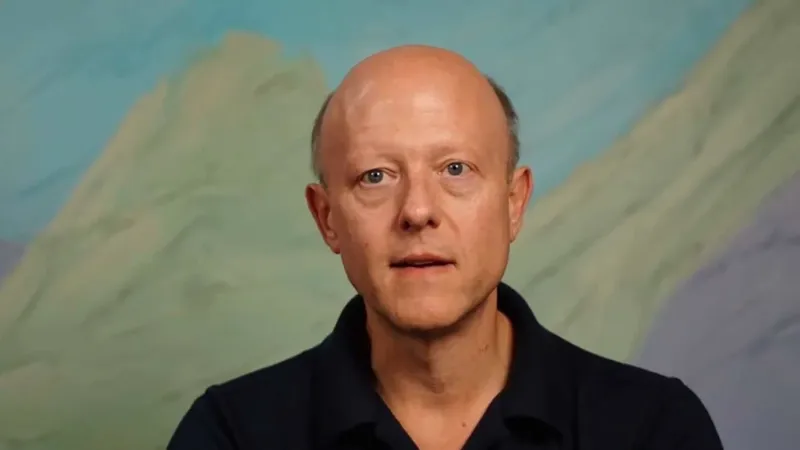
Everyone should assume they are under attack: Circle CEO on AI's risk to US infrastructure

AI-generated summary Circle CEO Jeremy Allaire says the rising power of frontier artificial intelligence has dramatically accelerated threat vectors for critical infrastructure, hospital systems, energy systems, utilities, and financial industry participants. Circle reported third-quarter revenue and reserve income of $865 million and announced a $400 million all-stock agreement to acquire Tazapay.

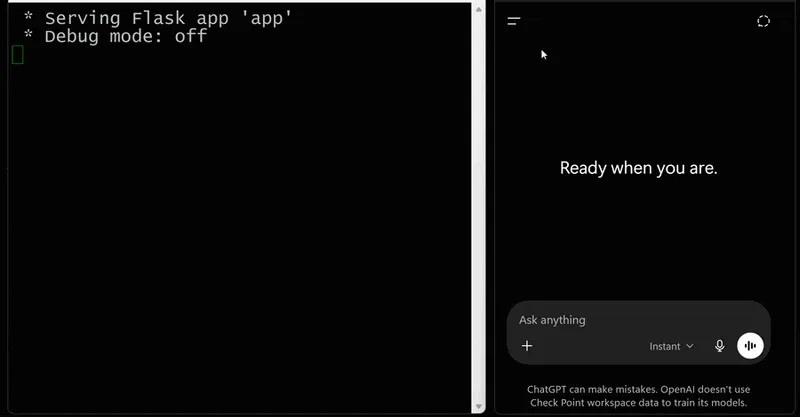
CPython flaw exposes AI inference servers to sandbox escape attacks

AI-generated summary Security researchers at RunSybil say a memory-safety flaw in CPython allows malicious AI model templates to escape code sandboxes and execute arbitrary code inside inference servers. The Python Security Response Team disputed the security implications of the demonstration, stating that executing untrusted Python code within a sandbox is outside CPython’s security threat model.

Also covered by infoworld.com

3 charged in scheme to use AI to impersonate CEOs and attorneys to steal $129 million

AI-generated summary Prosecutors said three individuals were indicted on charges of wire fraud and aggravated identity theft after allegedly using artificial intelligence to steal about $129 million. Court documents state that Jacob Soall, Sharon Hazan, and Guy Sheetrit targeted thousands of companies worldwide by impersonating corporate executives and attorneys.

Also covered by SecurityWeek ABC News therecord.media
+7 moreIT Pro CyberScoop NBC News inc.com the Guardian TNW | Artificial-intelligence Help Net Security

Thursday 5 November