
AI Data Centers

AI data centers are the physical facilities built to house the specialized hardware and networking required to train and run machine learning models. Truncated covers facility design, power sourcing, cooling technologies, infrastructure investments and regional development.

Monday 9 November

Sunday 8 November

Terafab Is Now Aiming For A Memory Production Capacity Of Around 700,000 Wafers Per Month, Which Is Roughly Equal To Samsung's Entire DRAM Capacity

AI-generated summary Terafab is a semiconductor joint venture between SpaceX and Tesla with technological backing by Intel that aims to produce AI compute for space-based data centers and Optimus humanoid robots. Nikkei reports that Terafab has informed semiconductor equipment suppliers of an ambition to reach a production capacity of 700,000 wafers per month for memory by 2032.

Anthropic reportedly strikes $3.4 billion deal for gas-fired power at data centres By Investing.com

AI-generated summary Investing.com reports that Anthropic has secured a $3.4 billion agreement for gas-fired generators to power its data centres. The Financial Times reported that the transaction involves 1.7 gigawatts of heavy-duty generators from OnePWR Solutions.

Also covered by Financial Times Bloomberg TNW | Sustainability
+5 moreaistockwire.com TechCrunch Unite.AI TechSpot Fortune

Saturday 7 November

Texas Governor-Elect Hinojosa Urged by CoreWeave to Support Data Center Growth

AI-generated summary CoreWeave Inc. sent a letter to Texas Governor-elect Gina Hinojosa to seek collaboration on present and future data center projects in the state. CoreWeave co-founder and Chief Executive Officer Michael Intrator stated that the company strongly supports the principle that data center growth must work for Texas.

Also covered by Investing.com TNW | Corporates-innovation news.bloomberglaw.com

Anthropic IPO meets AI backlash after midterms show stinging rebuke of data centers

AI-generated summary As Anthropic prepares for a potential Nasdaq debut targeting a valuation of 1 trillion to 1.5 trillion dollars, the artificial intelligence company faces public backlash following midterm elections where voters expressed deep mistrust of artificial intelligence and tech billionaires. Voters across the country strongly rejected local data center projects and swept candidates supporting stringent artificial intelligence regulation into office, creating a tougher environment for market debuts amid broader market declines.

Also covered by Bloomberg

Friday 6 November

The midterms didn’t stop the AI buildout. They simply repriced it—and OpenAI is already promising to pay up

The midterms weren't about stopping data centers, but putting checks on them.

AI-generated summary Following recent local votes regarding data centers, OpenAI published a National Community Compact to pay for electricity and grid infrastructure for its data center campuses. OpenAI says the compact formalizes previous pledges, including financial guarantees before major spending begins to protect other utility customers from delayed projects.

Also covered by Computerworld

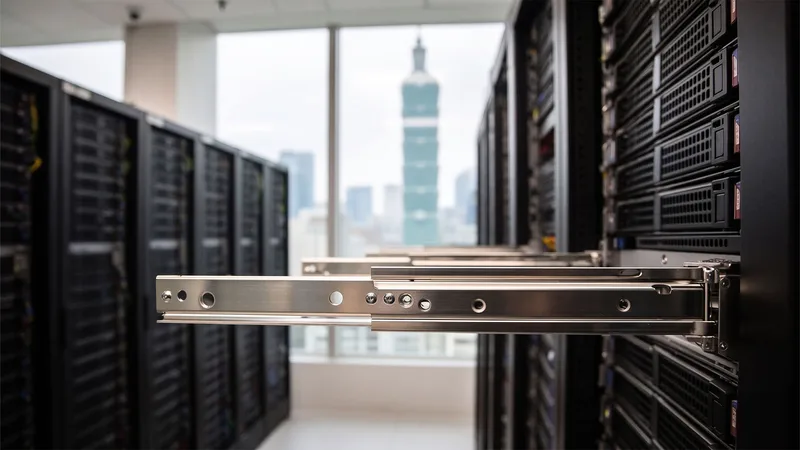
A Kitchen Slide Manufacturer Controls Up To 90 Percent Of The AI Server Market, Thanks To Precise Manufacturing Of Racks Housing Multi-Million GPU Clusters

AI-generated summary Taiwanese manufacturer King Slide Works commands an estimated 70 to 90 percent market share in precision slide rails used for high-end AI server racks. The company holds approximately 3,750 patents and has approved more than 600 million dollars in capital expenditure to build a new manufacturing plant.