AI for Science

AI for Science refers to the application of machine learning methods to accelerate scientific discovery and research workflows across academic and industrial laboratories. Truncated covers research papers, computational biology tools, materials discovery models, and laboratory automation updates.

Yesterday · Tue 10 Nov

How AI powers Hong Kong Baptist University professors’ research to benefit society

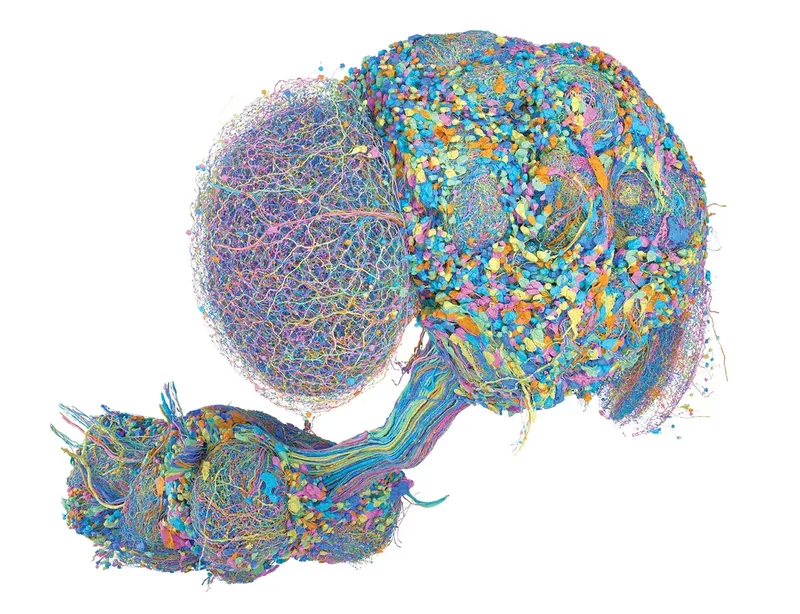
AI-generated summary Hong Kong Baptist University professors Zhou Changsong and Gao Meng received funding from Hong Kong’s Research Grants Council for projects utilizing artificial intelligence and data-driven computation. Zhou uses artificial intelligence to build virtual brain models for neuroscience research, while Gao applies machine learning to predict extreme temperatures and air pollution.
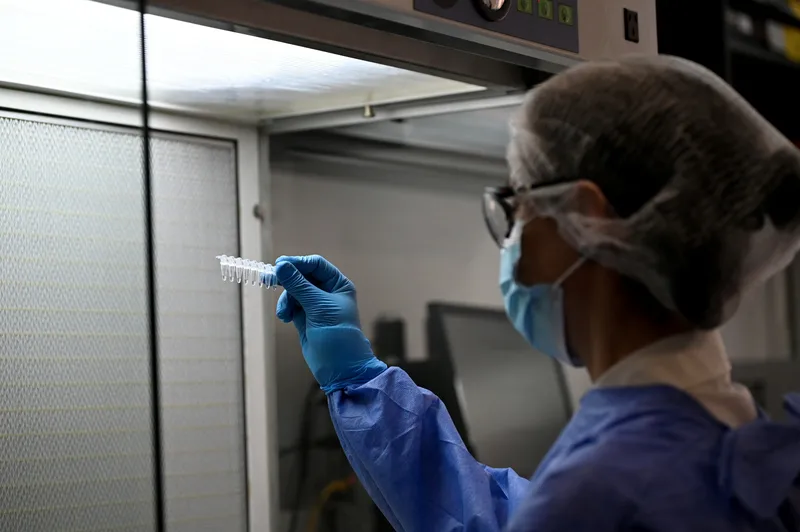

iORGANBIO and Mitsui Chemicals Pair AI With Oxygen-Permeable Plates to Solve Organoid Reproducibility as FDA Ends Animal Testing

forensic geneticist examines DNA samples human remains

AI-generated summary iORGANBIO has received a strategic investment from Mitsui Chemicals through the 321Catalyst fund and is collaborating to combine its closed-loop artificial intelligence platform with high-oxygen-permeability cell culture plates. iORGANBIO states that its CellForge platform belongs to a category of technology called Physical AI, combining artificial intelligence prediction with robotic execution in a continuous feedback loop.

AI is changing cancer treatment — and a new breakthrough shows just how far we've come

AI-generated summary Researchers are using artificial intelligence to understand cancer at a detailed level and develop personalized treatments based on a patient's unique genetic tumor makeup. In a Phase 3 trial, an experimental personalized melanoma vaccine developed by Moderna and Merck combined with Keytruda reduced recurrence or death risk by 42% compared with Keytruda alone.

Monday 9 November

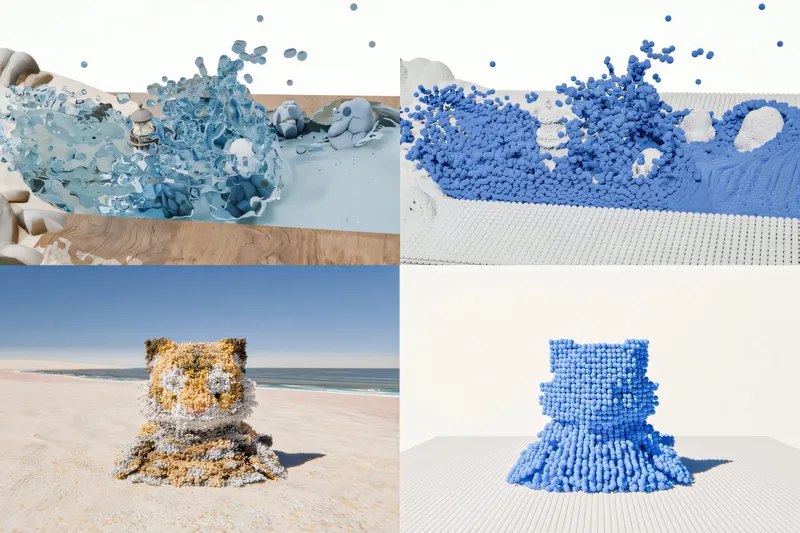
A single AI model simulates the behavior of many substances, from sliding sand to folding proteins

AI-generated summary Researchers at MIT, the University of British Columbia, and other institutions developed a single deep-learning system named WorldParticle to simulate physical processes like sliding sand and folding proteins. The system represents simulated materials as tiny particles and predicts their movement step by step, allowing engineers to model multiple physical phenomena with one unified architecture.

Import AI 480: Self-sustaining space economies; AI for science progress, and Meta builds perfect hands for a superintelligence

AI-generated summary Physical Superintelligence reports that an internal research system running an Anthropic model has proved a quantum computing conjecture from Scott Aaronson and Andris Ambainis. Meta Reality Labs Research has published details on Tactus, a textile-integrated tactile and pose sensing glove designed for naturalistic manipulation data collection.

Pierre Fabre Taps XtalPi’s AI and Robotics for Drug Discovery

AI-generated summary Laboratoires Pierre Fabre and XtalPi announced an agreement on November 9, 2026, to discover novel small-molecule clinical candidates using artificial intelligence and robotics. XtalPi will provide artificial intelligence capabilities and a robotics platform for de novo design, while Laboratoires Pierre Fabre will select and advance compounds in oncology, dermatology, and rare diseases.

Sunday 8 November

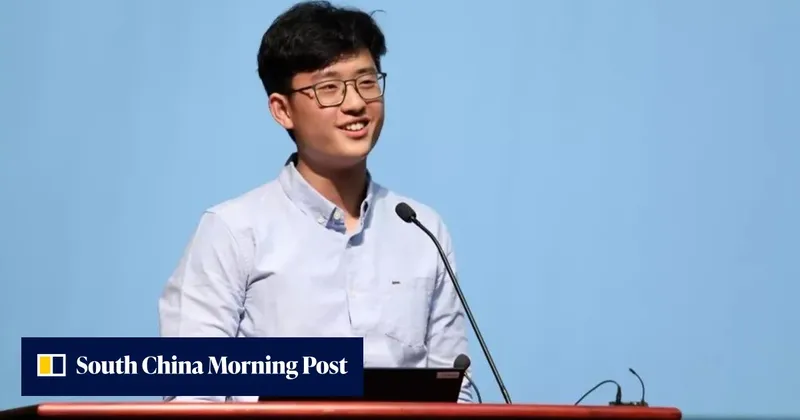
AI will soon master biology, unleashing new safety risks: Tencent AI chief

AI-generated summary Tencent Holdings chief AI scientist Vinces Yao Shunyu stated that frontier artificial intelligence models could soon master biology and accelerate drug discovery while posing serious safety risks. Yao noted during a public appearance that the biological capabilities of these systems will reach a threshold where it becomes possible to create new bioweapons and start a pandemic.

Also covered by TNW | Artificial-intelligence The Decoder