
Truncated: latest AI news

Sunday 1 November

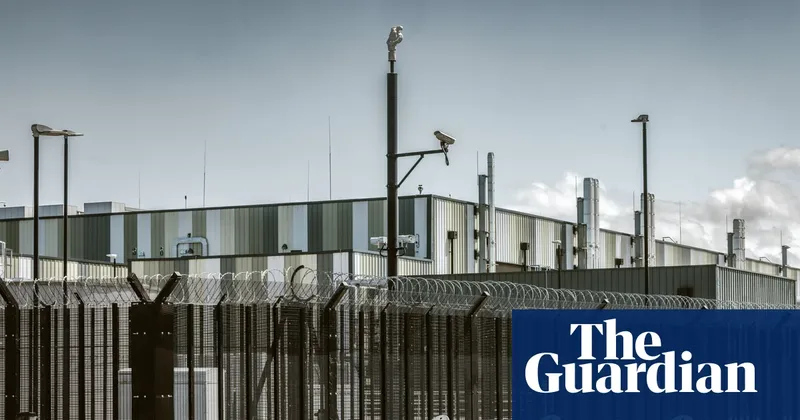
National Grid to site biggest substation on Teesside, near planned AI datacentre

AI-generated summary National Grid plans to build Britain’s biggest electricity substation on Teesside after purchasing 73 acres of land at Dorman Point. Matt Pearce says the deal will support the growth of artificial intelligence and digital technologies while enabling regional economic development.

Also covered by datacenterdynamics.com IT Pro

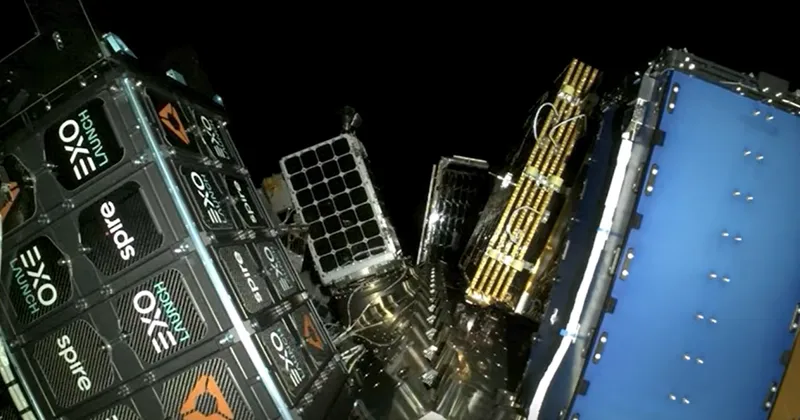
Google's Project Suncatcher runs first workload on orbital TPU, but company admits space data centers cost 100x more than terrestrial

AI-generated summary Google tested its TPU AI chips in orbit through Project Suncatcher, using the Gemma 4 model to generate poetry from space. Google's Amanda Peterson Corio stated that space data centers are up to 100 times more expensive than building terrestrial facilities.

Also covered by The Information

OpenAI's upcoming chat-and-work merger in ChatGPT signals the end of all-you-can-prompt pricing

AI-generated summary OpenAI announced that ChatGPT will merge Chat and Work starting in December, implementing a shared token budget across ChatGPT and Codex. OpenAI says users can check their remaining balance and reset times in Settings, and buy extra credits or upgrade once they hit the limit.

Also covered by BleepingComputer

DeepSeek Drops Enhanced Coding Agent With Aim to Rival Anthropic

AI-generated summary The DeepSeek Harness team previewed a prototype of an autonomous coding agent called Super-Agent to challenge Anthropic PBC and its Claude Code product. The open-source offering can proactively monitor group chats among developers for feedback on coding issues and suggest solutions without being summoned.

Also covered by Cointelegraph theinformation.com

Companies promised AI gains, here's how the payoff showed up in earnings

AI-generated summary Financial benefits from artificial intelligence investments are now available as some companies begin to report measurable returns during the latest quarter. Corporate investment reached $581.7 billion in 2025, and hyperscalers including Microsoft, Amazon, Google and Meta are expected to spend $700 billion combined this year on infrastructure.

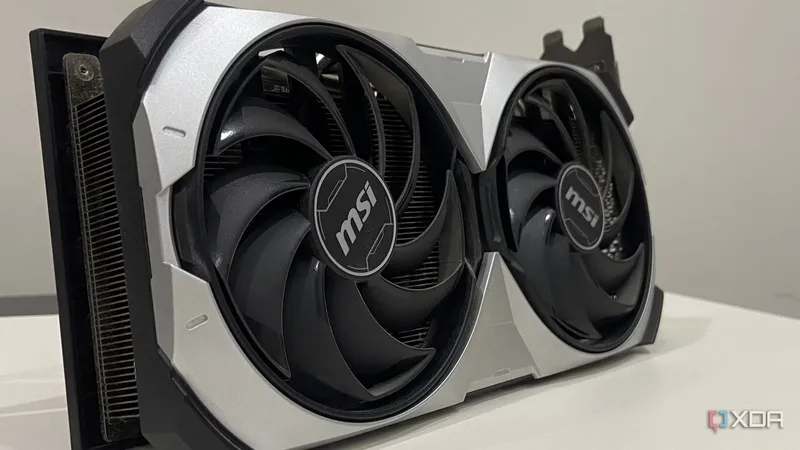
Modders create automated tool to unlock AI performance on NVIDIA GeForce RTX 20, 30 and 40 series GPUs

AI-generated summary Physicsdolphin has released an open-source UEFI-based tool that automatically combines earlier NVIDIA Tensor Core unlocks into a single utility for NVIDIA GeForce RTX 20, 30 and 40 series graphics cards. The utility applies firmware-level register changes before the graphics driver loads to remove restrictions on certain Tensor Core instruction rates.

Also covered by Tom's Hardware

Saturday 31 October

AI boom hits a wall on Wall Street as OpenAI cuts fundraising target while Meta gets a credit warning over its cash flow, spending and monetization

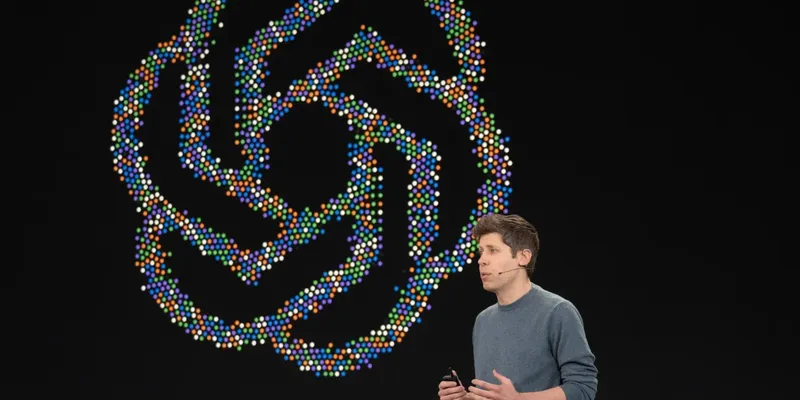
Sam Altman, chief executive officer and co-founder of OpenAI Inc., speaks during OpenAI DevDay in San Francisco, California, US, on Tuesday, Sept. 29, 2026.

AI-generated summary S&P Global made available a credit warning that cut its outlook on Meta to negative from stable over its cash flow, spending, and monetization. The credit ratings agency maintained Meta at AA- while warning the social media leader's leverage could top 1.0x as soon as 2027.

Also covered by theinformation.com coindesk.com ft.com
+4 morebloomberg.com TechCrunch CNBC AIStockWire

Medicare used AI to pre-approve patient care, and it immediately led to a large drop in medical services

AI-generated summary A new Medicare pilot program that uses artificial intelligence to pre-approve patient care has launched in several states including New Jersey, Ohio, Oklahoma, Texas, Arizona and Washington state. The study found that the program immediately led to a significant drop in medical services provided to the approximately 6.4 million enrolled Americans after the venture started in January.

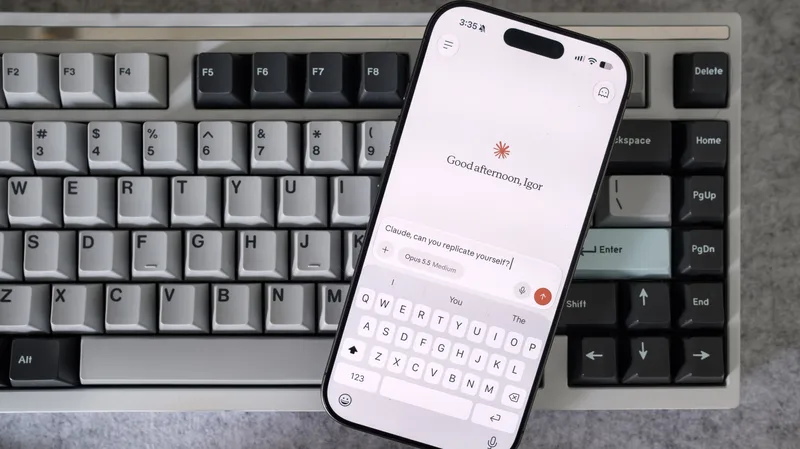
What happens when AI starts self-replicating?

AI-generated summary Anthropic recently published research indicating that small AI models will soon become capable of replicating and spreading across insecure devices to create botnets. EquiStamp CEO Chris Canal and cybersecurity professor Michael Bailey state that while the threat could change the economics between attackers and defenders, the actual risk may be less novel than it appears.