
Truncated: latest AI news

Monday 9 November

Bain Capital’s Ajay Agarwal bet on robots when Silicon Valley wouldn’t. Now he sees a ‘golden era’ for physical AI
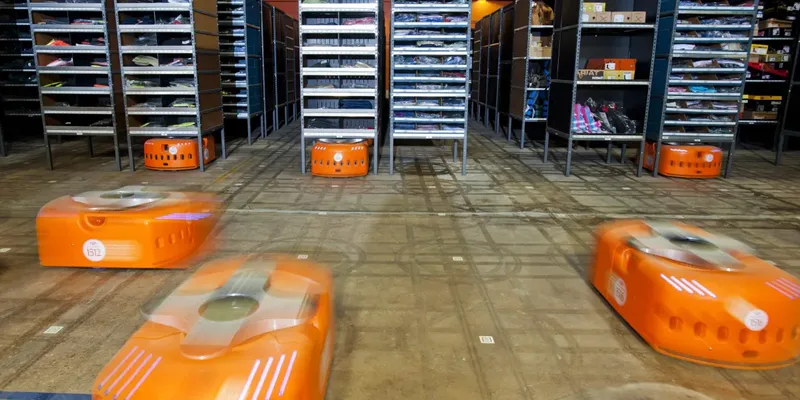
Kiva Systems robots work in a warehouse.

AI-generated summary Bain Capital Ventures investor Ajay Agarwal views the current period as a golden era for hardware and physical artificial intelligence. PitchBook figures indicate that robotics and physical artificial intelligence startups raised $27.6 billion in funding across 1,009 deals in 2025.

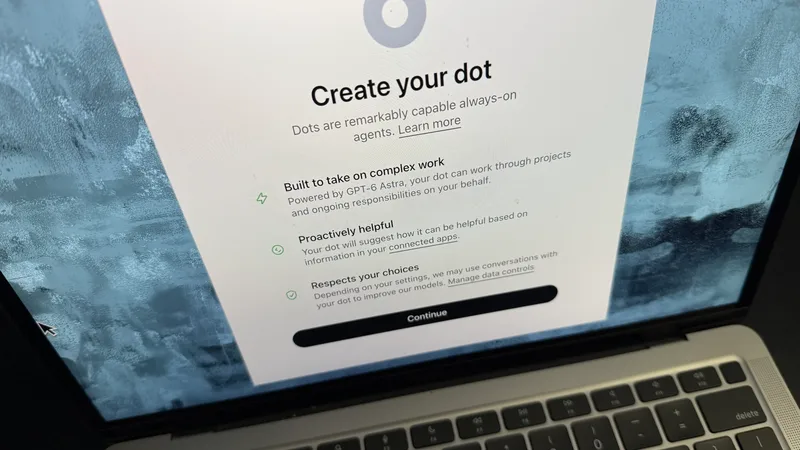
I tested OpenAI Dot and Anthropic Duet for weeks - and all I got was one helpful notification

I tested OpenAI Dot and Anthropic Duet for weeks – and all I got was one helpful notification

AI-generated summary ZDNET reports that OpenAI and Anthropic have launched proactive personal AI assistants called Dot and Duet that scan cloud services to notify users about important items. After testing both systems for three weeks, the reviewer concluded that neither tool is fully ready for prime time because they mostly missed relevant information and surfaced irrelevant items.

No Rulebook For AI Compliance Is Not Permission To Skip Explainability

AI-generated summary The Federal Reserve, the Office of the Comptroller of the Currency, and the Federal Deposit Insurance Corporation replaced guidance with SR 26-2, though generative and agentic AI models fall outside its scope due to rapid changes. Federal Reserve Vice Chair for Supervision Michelle Bowman states that banks are already relying on existing frameworks, and the U.S. Treasury released a Financial Services AI Risk Management Framework earlier in the year.

CoreWeave to Power Wayve's AI Driver Training in Multi-Year Agreement

AI-generated summary CoreWeave announced a multi-year agreement with Wayve to power its artificial intelligence driver training using CoreWeave Cloud with NVIDIA Blackwell GPUs. Wayve says the cloud infrastructure helps accelerate the commercial deployment of its artificial intelligence driver by providing reliability and observability.

Also covered by datacenterdynamics.com Unite.AI TNW | Artificial-intelligence
+1 moreSecurities.io

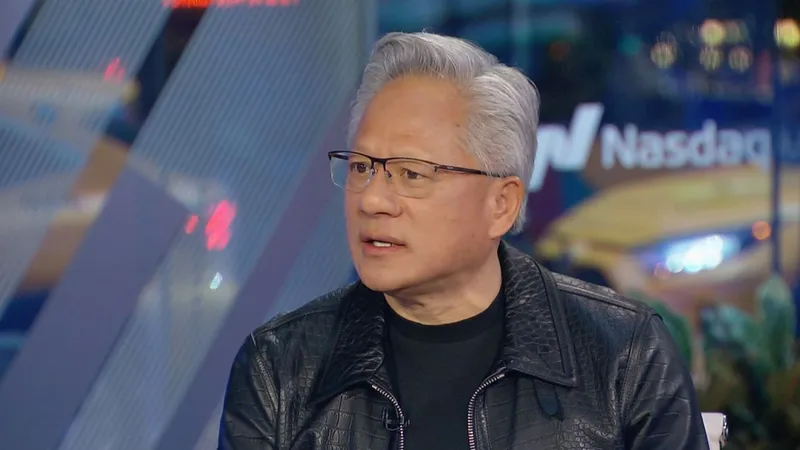
China repeats Jensen Huang spy denial, sidesteps chips

China repeats Jensen Huang spy denial, sidesteps chips

AI-generated summary China's Foreign Ministry repeated its denial of a reported spy allegation involving Nvidia chief executive Jensen Huang and called it a smear against China. Nvidia shares dropped 5.0% to $177.32 in premarket trading following reports regarding national security concerns and chip import restrictions.

Also covered by Fox Business semafor.com Yahoo Finance
+3 moreNew York Post South China Morning Post Investing.com

Who is behind the UK's billion-pound AI boom?

AI-generated summary A new study by economists at the University of Warwick and Imperial College London examines the U.K.'s billion-pound market for paid AI tools using anonymized bank and card transactions. The research estimates that 5.1% of U.K. adults paid for AI assistants themselves in June 2026, with ChatGPT leading the market while Claude gained subscription spending share.

Nvidia's CEO turmoil gives newly empowered Democrats fresh ammunition in pursuit of oversight

AI-generated summary Nvidia CEO Jensen Huang faces increased scrutiny from newly empowered Democrats regarding artificial intelligence development and company ties to China following recent political and personal disclosures. Jensen Huang apologized to staffers for an extramarital affair with Alice Huang, a businesswoman linked to an Nvidia customer accused of helping restricted Chinese entities acquire chips.

Also covered by semafor.com The Independent apnews.com
+12 morewww.cnn.com South China Morning Post www.npr.org the Guardian www.nytimes.com news.bloomberglaw.com CyberScoop NBC News Yahoo Finance thehill.com Fast Company datacenterdynamics.com

Modern Cybersecurity Attack Called “Deep-TEMPEST” Can Read Your PC’s Entire Screen Using AI & Radio, No Malware Or Network Access Required

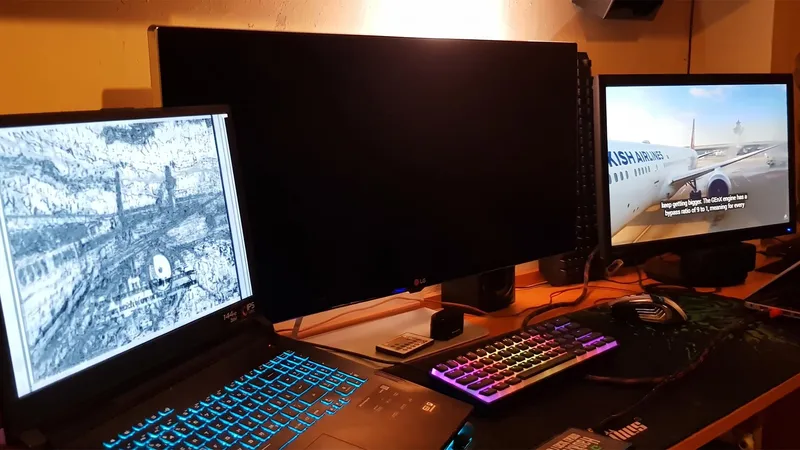
AI-generated summary Researchers have demonstrated a new cybersecurity attack called Deep-TEMPEST that reads a personal computer monitor by decoding stray radio signals from standard HDMI cables using artificial intelligence. The surveillance technique requires no malware or network access, allowing attackers to reconstruct readable text and desktop windows in real time by capturing electromagnetic radiation through walls.