
Autonomous Driving

Autonomous driving uses artificial intelligence systems to operate vehicles without full human control in various environments. Truncated covers vehicle safety records, regulatory approvals, testing developments and commercial deployments across the industry.

Today · Wed 11 Nov

Yesterday · Tue 10 Nov

Monday 9 November

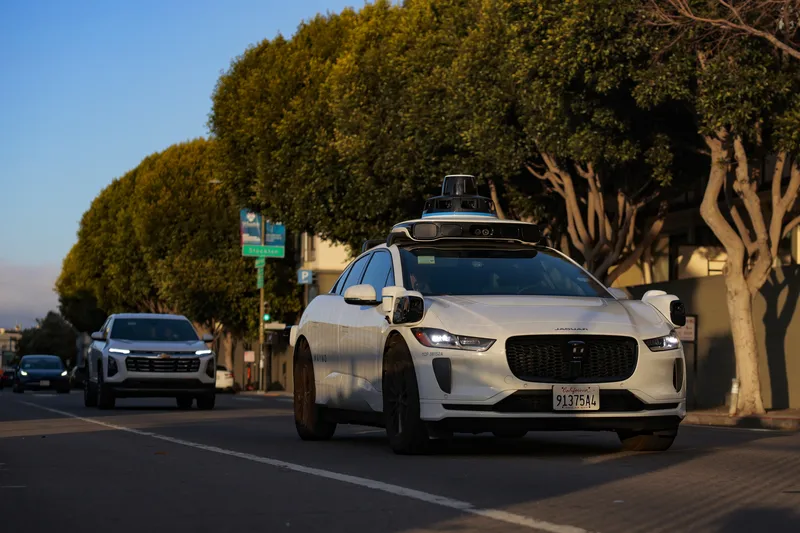
NHTSA investigates if Waymo robotaxis are still running school bus stop signs

AI-generated summary The National Highway Traffic Safety Administration opened an investigation into Waymo robotaxis regarding whether a recent software recall effectively resolved issues with running school bus stop signs. The inquiry follows earlier reports of robotaxis driving past stopped school buses with flashing red lights and deployed stop sign arms in locations including Atlanta and Austin.

Also covered by International Business Times

CoreWeave to Power Wayve's AI Driver Training in Multi-Year Agreement

AI-generated summary CoreWeave announced a multi-year agreement with Wayve to power its artificial intelligence driver training using CoreWeave Cloud with NVIDIA Blackwell GPUs. Wayve says the cloud infrastructure helps accelerate the commercial deployment of its artificial intelligence driver by providing reliability and observability.

Also covered by datacenterdynamics.com Unite.AI TNW | Artificial-intelligence
+1 moreSecurities.io

Sunday 8 November

Thursday 5 November

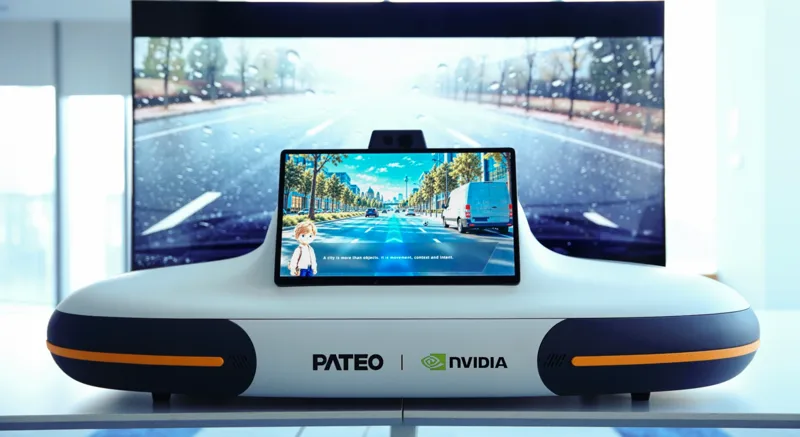
PATEO puts ByteDance's most powerful AI model inside a car — no internet needed

PATEO AI Box

AI-generated summary On November 3, 2026, PATEO announced the AI Box, which is a modular compute unit built on the NVIDIA DRIVE AGX Thor platform to run offline in-car artificial intelligence. PATEO says the system integrates NVIDIA Nemotron 3.5 ASR and ByteDance's Doubao language model to provide voice-activated cabin controls and real-time hazard awareness without needing a cellular signal.

Wednesday 4 November

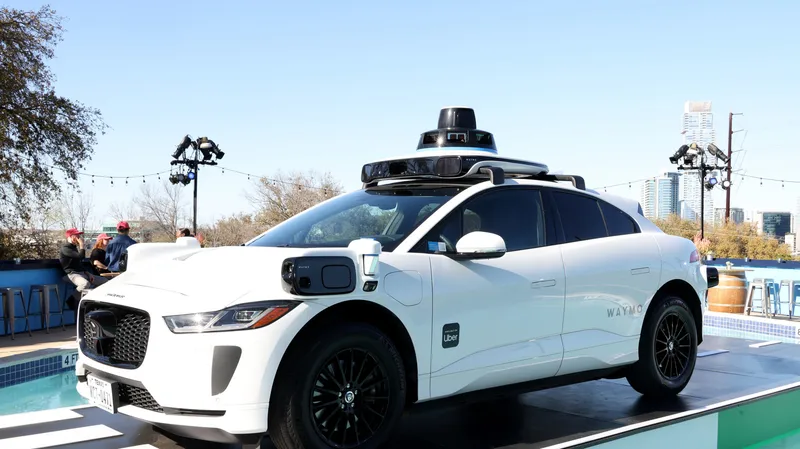
Uber sets its first-ever driverless deadline: 700 robotaxis by December, 10K+ by 2028

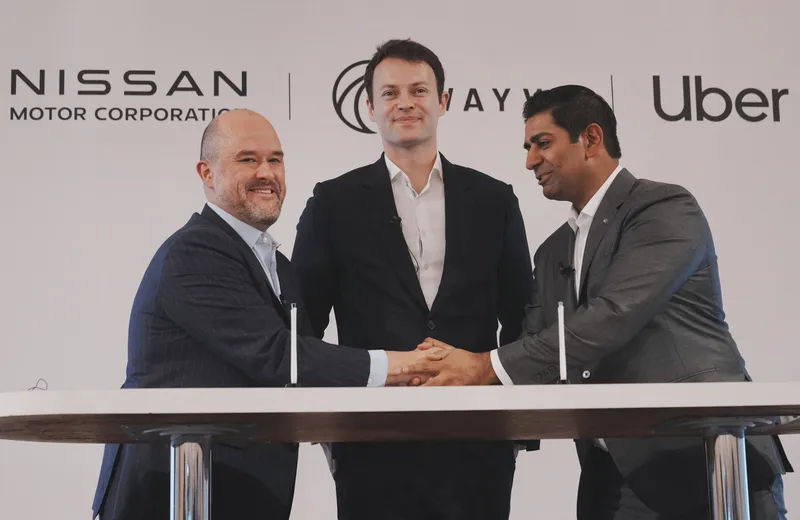
Nissan Wayve Uber

AI-generated summary Uber announces plans to deploy approximately 700 fully driverless vehicles on its platform by December 31, with totals projected to climb past 2,000 by the close of 2027 and into the tens of thousands by 2028. The company expects autonomous vehicle fleet financing to shift progressively from its own balance sheet to third-party capital arrangements such as a one billion dollar Santander arrangement.