
AI Adoption · Tue 10 Nov

AI adoption is the measurable integration of artificial intelligence technologies across industries and government sectors. Truncated covers enterprise deployment trends, implementation challenges, productivity metrics, and industry case studies.

Yesterday · Tue 10 Nov

S. Korea ranks 10th place in global AI, digital competitiveness

AI-generated summary South Korea ranked 10th out of 70 countries in a global artificial intelligence and digital competitiveness evaluation, according to the science ministry citing an international report. The country climbed eight positions compared to the prior year, securing third place in technology infrastructure and efficiency metrics as well as eighth place in the artificial intelligence adaptation index.


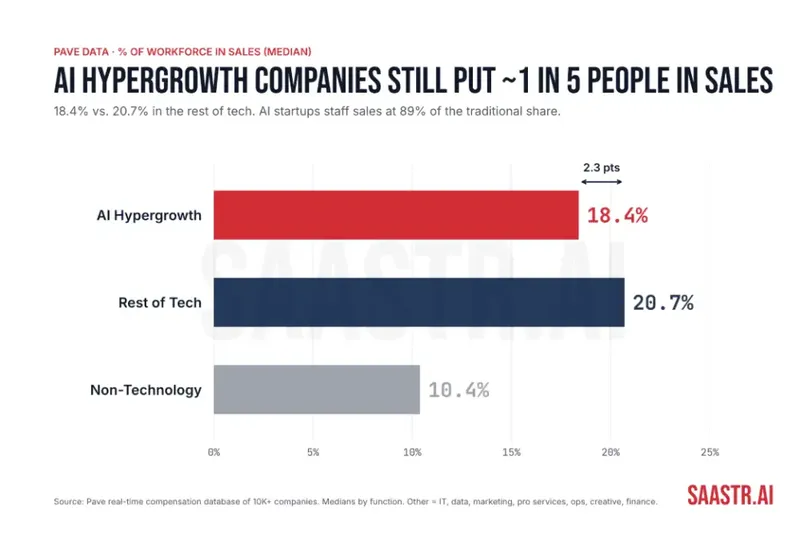
AI Startups May Have Fewer Sales Reps. But Not as a Percent of the Team. Has The Playbook Really Changed All That Much?

AI-generated summary Data from Pave shows that sales departments at artificial intelligence hypergrowth companies make up nearly the same share of total headcount as they do in traditional technology businesses. A survey by ICONIQ indicates that artificial intelligence forward organizations maintain smaller go-to-market teams overall while achieving higher quota attainment rates than lower adoption peers.

The AI Risk Gap Is Growing

AI-generated summary A recent Nationwide survey indicates that many businesses adopt artificial intelligence tools without establishing written policies or information controls. Insurers are introducing optional generative AI exclusions for commercial general liability policies while business owners face increasing fraud attempts.

"Everybody has access today. I think that's beta": PE investors say AI's edge is in data and judgment

AI-generated summary Private equity investors at the Israel Private Markets Summit stated that standard artificial intelligence models are now accessible to everyone and function as baseline beta. Speakers from Veritas Capital, Vista Equity Partners, and Tikehau Capital explained that a firm's true differentiation comes from proprietary data, human context, and judgment.