

AI Data Centers · Sun 8 Nov

AI data centers are the physical facilities built to house the specialized hardware and networking required to train and run machine learning models. Truncated covers facility design, power sourcing, cooling technologies, infrastructure investments and regional development.

Sunday 8 November

Terafab Is Now Aiming For A Memory Production Capacity Of Around 700,000 Wafers Per Month, Which Is Roughly Equal To Samsung's Entire DRAM Capacity
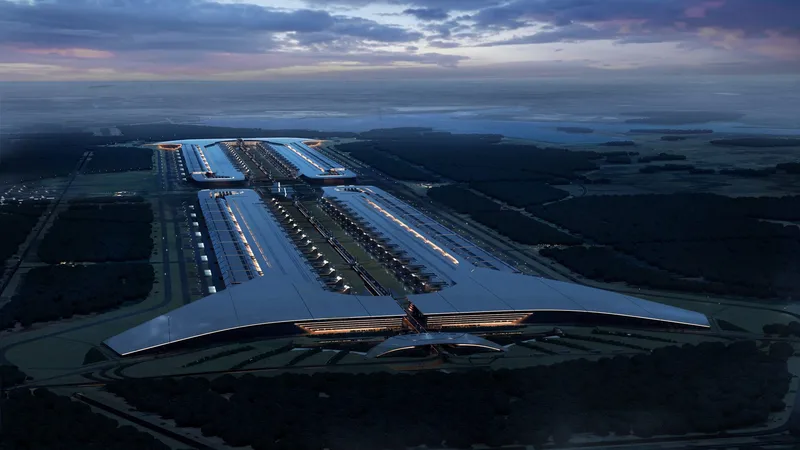
AI-generated summary Terafab is a semiconductor joint venture between SpaceX and Tesla with technological backing by Intel that aims to produce AI compute for space-based data centers and Optimus humanoid robots. Nikkei reports that Terafab has informed semiconductor equipment suppliers of an ambition to reach a production capacity of 700,000 wafers per month for memory by 2032.

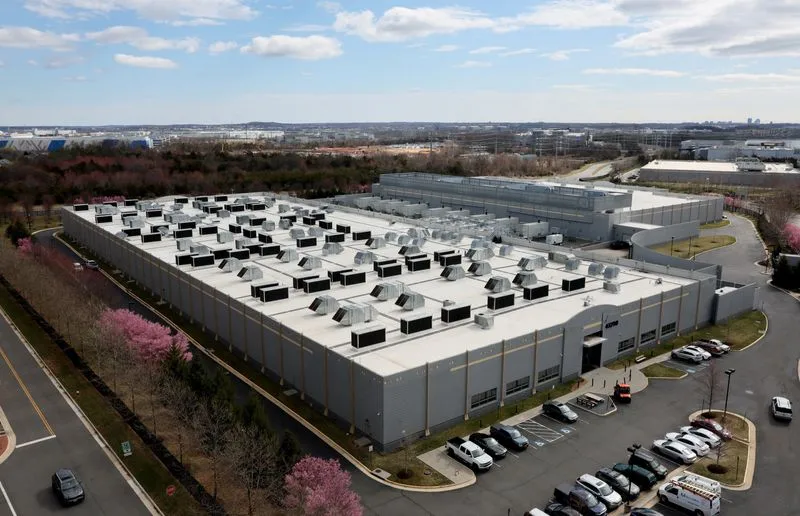
Anthropic reportedly strikes $3.4 billion deal for gas-fired power at data centres By Investing.com

AI-generated summary Investing.com reports that Anthropic has secured a $3.4 billion agreement for gas-fired generators to power its data centres. The Financial Times reported that the transaction involves 1.7 gigawatts of heavy-duty generators from OnePWR Solutions.

Also covered by Financial Times Bloomberg TNW | Sustainability
+5 moreaistockwire.com TechCrunch Unite.AI TechSpot Fortune

Ethereum co-founder Vitalik Buterin defends anti-data center movements

AI-generated summary Ethereum co-founder Vitalik Buterin defended opposition to large artificial intelligence data centers, arguing that slower construction could provide more time to address cybersecurity risks. Meanwhile, companies like Riot Platforms and Cipher Digital are expanding their artificial intelligence infrastructure while communities raise concerns about electricity and water resources.

Stockland drops Sydney data center plans after community opposition By Investing.com

AI-generated summary Australian property developer Stockland has dropped plans to include a data center in a Sydney logistics development following opposition from local residents. The decision highlights growing community resistance to infrastructure supporting artificial intelligence due to concerns over electricity and water requirements.