
AI Economics · Fri 6 Nov

AI economics involves the market productivity and broad economic effects driven by artificial intelligence adoption. Truncated covers its impacts on labor markets, industry productivity, capital allocation and macroeconomic trends.

Friday 6 November

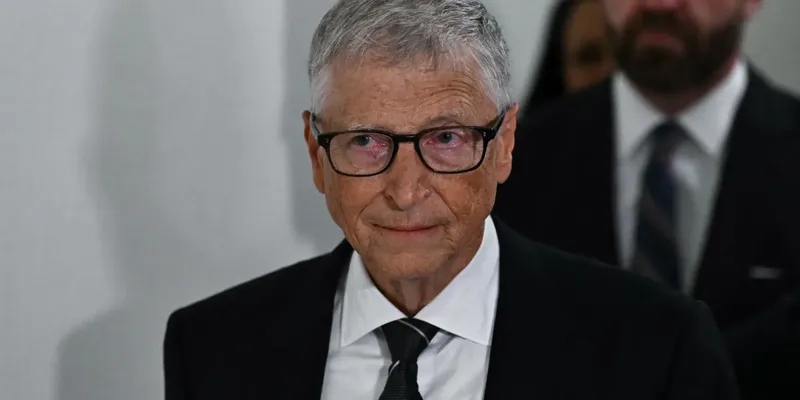
Bill Gates believes a billionaire's tax is the only option in the age of AI—and 'whatever's left over' can be used as a philanthropic safety net

Microsoft co-founder Bill Gates

AI-generated summary Microsoft co-founder Bill Gates suggests that a billionaire tax is the best option in the age of artificial intelligence, with remaining funds supporting philanthropic efforts. Nvidia founder Jensen Huang stated that he disagrees with Bill Gates regarding the taxation of robots and artificial intelligence tokens.

What Does Agentic ERP Really Cost?

AI-generated summary ERP vendors are introducing AI agents across finance, supply chain and operations, but speed in a demonstration tells us little about what it costs to complete the business process. McKinsey stated that tokens account for 20 to 25 percent of variable running costs for a customer service agent in banking, while human oversight accounts for 70 to 75 percent.

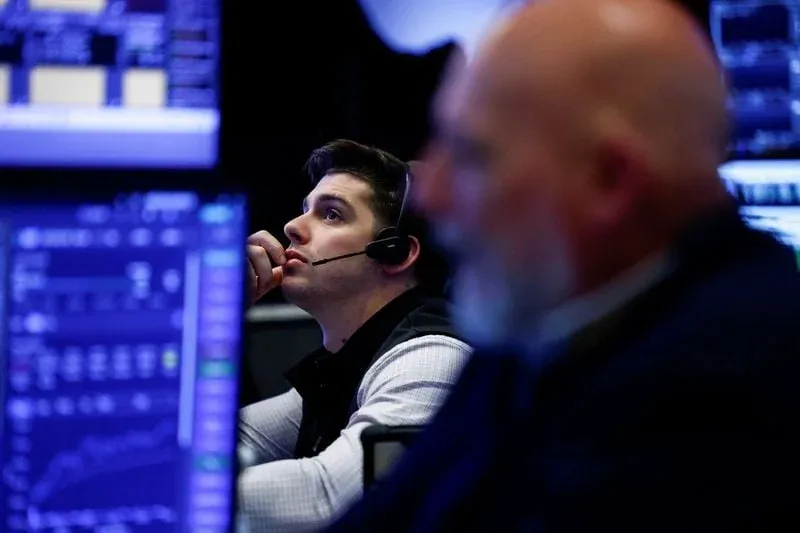
Breaking: Mayhem in the market 🫧

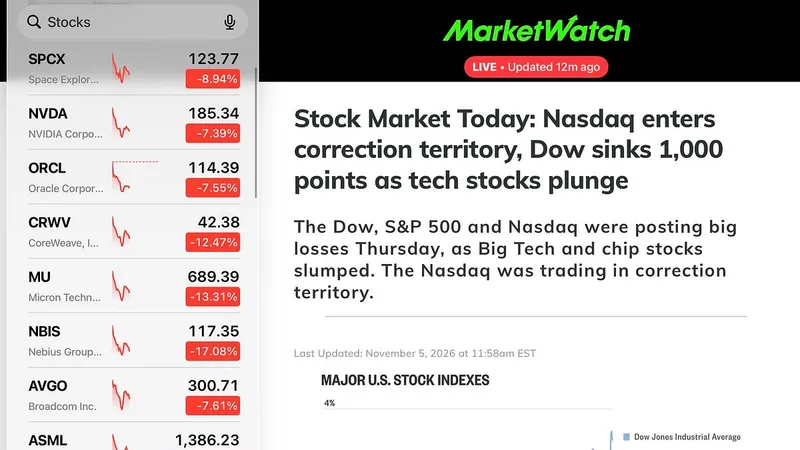
AI-generated summary Gary Marcus reports that the market was mixed following a previous post, with chipmakers and neocloud companies such as CoreWeave facing heavy losses while large firms like Amazon, Apple, and Google received a bounce. The author notes that theories suggested investors rotated toward larger tech companies to weather cash crunches or because hyperscalers might reduce CapEx expenditures following public resistance to data centers.

Also covered by www.marketwatch.com www.inc.com ctech
+2 moreCNBC www.investors.com

Tech firms suffer bloodbath as US midterms fuel AI fears

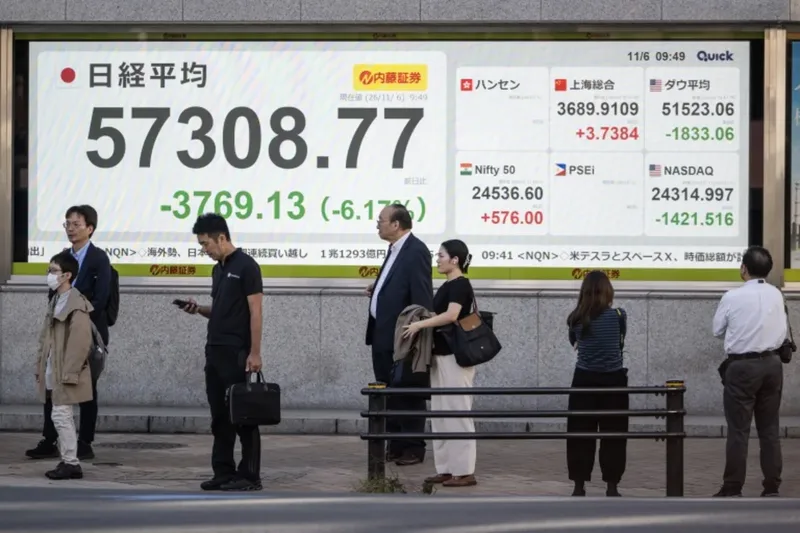
AI-generated summary Asian technology firms suffered significant losses on Friday as investors reacted to a collapse on Wall Street driven by fears of increased regulation of the artificial intelligence industry following the US midterm elections. Seoul and Tokyo experienced heavy selling while companies including SK hynix, Samsung, SoftBank, and Tesla faced market pressures amid concerns over data centre opposition and political developments.

Also covered by Al Jazeera NBC News bloomberg.com
+2 moreCNBC Vanity Fair