AI Economics

AI economics involves the market productivity and broad economic effects driven by artificial intelligence adoption. Truncated covers its impacts on labor markets, industry productivity, capital allocation and macroeconomic trends.

Monday 9 November

Sunday 8 November

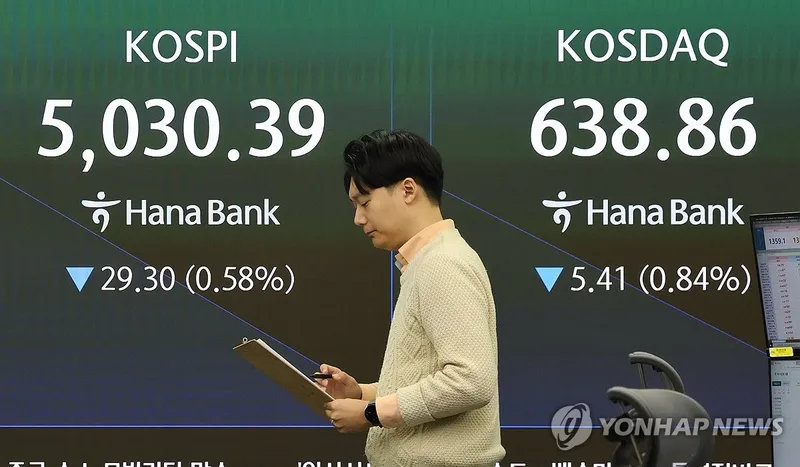
Stocks will tumble much further as AI investment will slow next year then fall in 2028 and drag GDP down too, economist predicts

AI-generated summary Capital Economics predicts that stock markets and gross domestic product will face downward pressure as artificial intelligence investments eventually slow down. Chief Economic Adviser Vicky Redwood says that while artificial intelligence will continue boosting productivity, expected revenue generation may not sustain current capital expenditure rates.

5 big analyst AI moves: Is the historic AI stock rout a buy opportunity? By Investing.com

AI-generated summary Yardeni Research told investors that a recent market selloff represents a buying opportunity, viewing political backlash against data centers as a speed bump for the artificial intelligence boom. TD Cowen and Bank of America downgraded Marvell Technology following its acquisition of Lumentum, while Citi downgraded Adobe amid leadership transitions and artificial intelligence pressures.

Saturday 7 November

Friday 6 November

Bill Gates believes a billionaire's tax is the only option in the age of AI—and 'whatever's left over' can be used as a philanthropic safety net

Microsoft co-founder Bill Gates

AI-generated summary Microsoft co-founder Bill Gates suggests that a billionaire tax is the best option in the age of artificial intelligence, with remaining funds supporting philanthropic efforts. Nvidia founder Jensen Huang stated that he disagrees with Bill Gates regarding the taxation of robots and artificial intelligence tokens.