
AI Economics

AI economics involves the market productivity and broad economic effects driven by artificial intelligence adoption. Truncated covers its impacts on labor markets, industry productivity, capital allocation and macroeconomic trends.

Friday 6 November

What Does Agentic ERP Really Cost?

AI-generated summary ERP vendors are introducing AI agents across finance, supply chain and operations, but speed in a demonstration tells us little about what it costs to complete the business process. McKinsey stated that tokens account for 20 to 25 percent of variable running costs for a customer service agent in banking, while human oversight accounts for 70 to 75 percent.

Breaking: Mayhem in the market 🫧

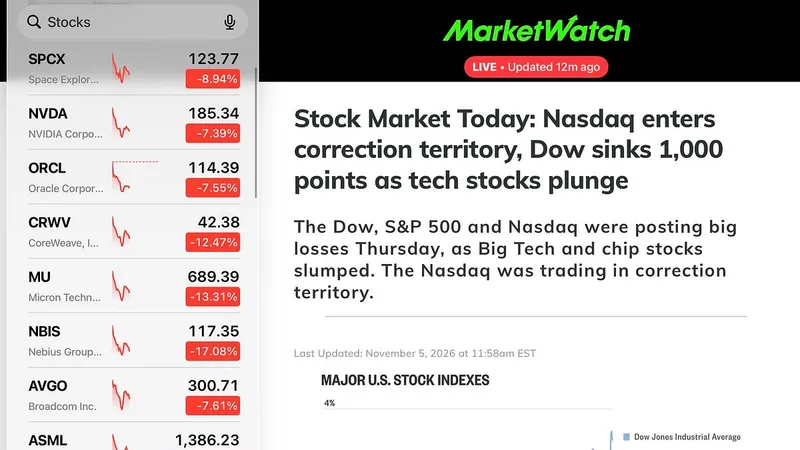
AI-generated summary Gary Marcus reports that the market was mixed following a previous post, with chipmakers and neocloud companies such as CoreWeave facing heavy losses while large firms like Amazon, Apple, and Google received a bounce. The author notes that theories suggested investors rotated toward larger tech companies to weather cash crunches or because hyperscalers might reduce CapEx expenditures following public resistance to data centers.

Also covered by www.marketwatch.com www.inc.com ctech
+2 moreCNBC www.investors.com

Tech firms suffer bloodbath as US midterms fuel AI fears

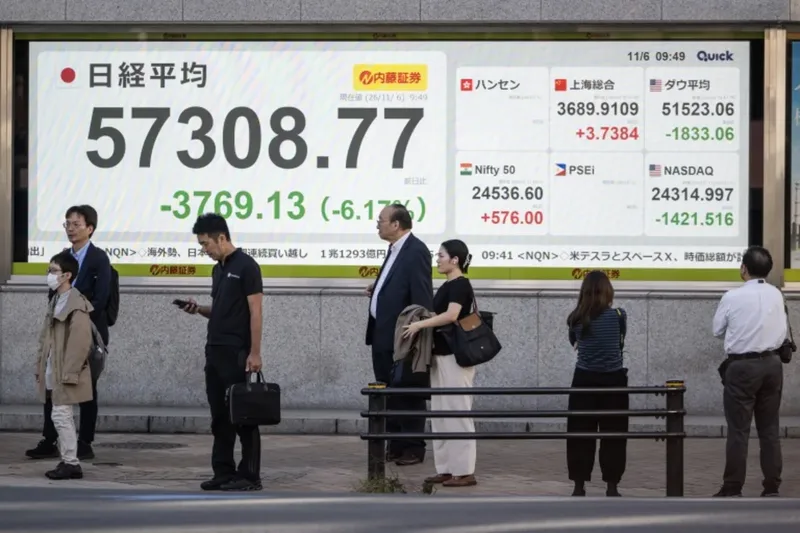
AI-generated summary Asian technology firms suffered significant losses on Friday as investors reacted to a collapse on Wall Street driven by fears of increased regulation of the artificial intelligence industry following the US midterm elections. Seoul and Tokyo experienced heavy selling while companies including SK hynix, Samsung, SoftBank, and Tesla faced market pressures amid concerns over data centre opposition and political developments.

Also covered by Al Jazeera NBC News bloomberg.com
+2 moreCNBC Vanity Fair

Thursday 5 November

Watch Tech Investor Dan Niles: AI Revenue Slowdown Demands Stock Picking

AI-generated summary Niles Investment Management Founder and veteran tech investor Dan Niles states that competition from open-source models is weighing on token prices and slowing revenue growth at leading artificial intelligence companies. He argues that steeper financing costs and postponed public listings mean valuations must adjust, requiring investors to be more selective rather than treating all artificial intelligence assets as potential investment opportunities.

Watch Market Reassessing Pace of AI Boom: T. Rowe Price's Wang

AI-generated summary Tony Wang states that markets are currently reassessing the pace, feasibility, and long-term returns of the artificial intelligence boom. The portfolio manager attributes the recent selloff to crowded positioning, leverage, and momentum-driven trading.

Also covered by Yahoo Finance tomsguide.com the Guardian
+7 moreNBC News Mashable Decrypt Investing.com marketwatch.com investingLive Investor's Business Daily