Enterprise AI · Tue 10 Nov

Enterprise AI encompasses the software, hardware, and services that organizations purchase and deploy to automate workflows and analyze data. Truncated covers enterprise AI adoption trends, vendor partnerships, security policies, and corporate deployments.

Tuesday 10 November

Bay Emerges From Stealth With $50M After Fortune 100 Companies Used Its Platform to Triple Autonomous AI Agent Use

AI-generated summary Bay emerged from stealth with $50 million in total funding after its AI security platform was used by Fortune 100 companies to triple autonomous AI agent use. Battery Ventures led a $37 million Series A round for Bay, while YL Ventures and Striker Venture Partners led a previous $13 million seed round.

Also covered by Unite.AI SecurityWeek DevCuration

Companies Are Buying AI Tools, but Employees Aren’t Using Them to Transform Work

AI-generated summary Many companies purchase numerous AI licenses and monitor logins, but employees often limit usage to simple tasks like finding lunch spots or proofreading emails. Jonathan Starling suggests organizations focus on people by building trust, redesigning workflows, and measuring outcomes to help employees apply AI to meaningful business challenges.

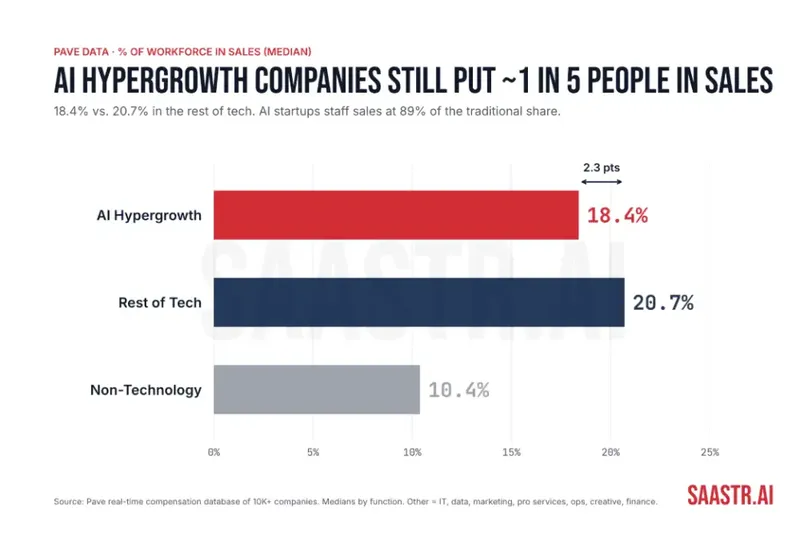
AI Startups May Have Fewer Sales Reps. But Not as a Percent of the Team. Has The Playbook Really Changed All That Much?

AI-generated summary Data from Pave shows that sales departments at artificial intelligence hypergrowth companies make up nearly the same share of total headcount as they do in traditional technology businesses. A survey by ICONIQ indicates that artificial intelligence forward organizations maintain smaller go-to-market teams overall while achieving higher quota attainment rates than lower adoption peers.

The CIO dilemma: Scaling production AI without breaking the power grid

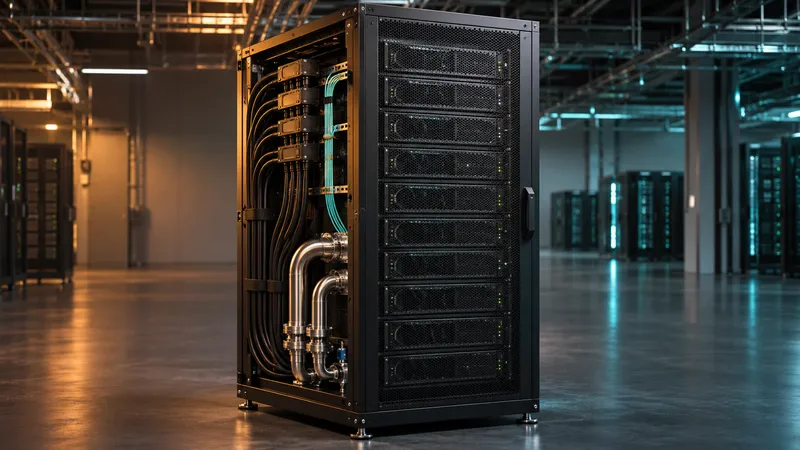
AI-generated summary HPE and AMD are partnering to provide enterprise infrastructure that combines AMD EPYC processors, AMD Instinct GPUs, and HPE Cray architectures to scale artificial intelligence and high-performance computing workloads. To address power consumption and data center scalability, AMD EPYC CPUs and HPE thermal management technologies aim to improve energy efficiency while integrating hardware-based security features.

Monetizing compliance: New AI revenue streams for regional CSPs

AI-generated summary Regional cloud service providers are monetizing compliance by launching sovereign artificial intelligence services to help organizations navigate regulatory and geopolitical hurdles. Using HPE systems powered by AMD EPYC processors and AMD Instinct GPUs, cloud providers can deliver high performance and regulatory compliance for heavy machine learning workloads.

Beyond the AI hype: Why C-suite control is the ultimate differentiator

AI-generated summary CIO reports that enterprise artificial intelligence focus is shifting from basic experimentation toward secure operational scaling, infrastructure control, and overcoming structural fragmentation. HPE and AMD are partnering to provide high-performance computing platforms powered by AMD EPYC processors and AMD Instinct accelerators to support demanding artificial intelligence workloads.

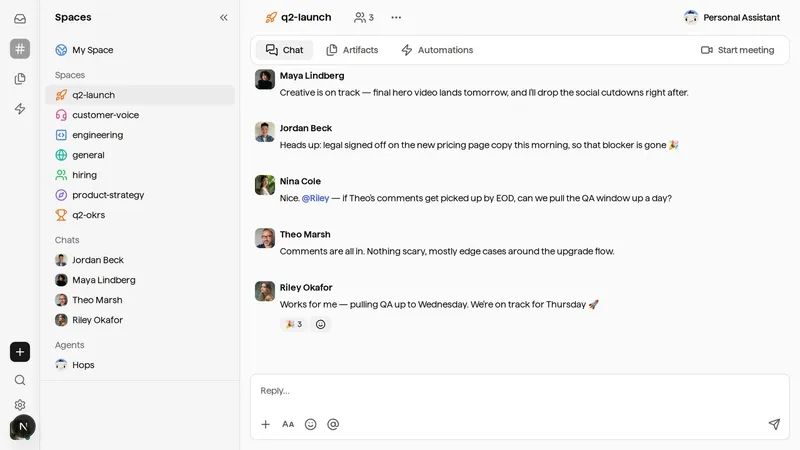
Supermetrics Launches Campaign Manager, Bringing AI-Powered Insights and Campaign Execution Together

AI-generated summary Supermetrics announced the launch of Campaign Manager to unite cross-platform performance marketing data with artificial intelligence chats for optimization actions. Supermetrics CEO Anssi Rusi says the new solution is built for marketing teams wanting to act on recommendations within their existing conversations while staying in control.

Also covered by PPC Land

Closing The AI Control Gap Requires A New Operating Model For Governance

AI-generated summary As enterprises move toward autonomous AI agents, organizations are discovering a growing governance gap between agent capabilities and current operating models. A May 2026 Gartner, Inc. report predicted that forty percent of enterprises will demote or decommission autonomous AI agents due to governance gaps identified after production incidents occur.