Truncated: latest AI news

Monday 9 November

NXP Launches Modular Robotics Platform for Physical AI Development

AI-generated summary NXP Semiconductors said on November 9, 2026, that its new modular robotics platform for physical AI systems can deliver initial drone functionality within 30 minutes out of the box using processors, open-source software and reference designs. NXP stated that pre-integrated software and validated subsystem interoperability can cut the months developers often spend integrating robotic subsystems down to days or weeks.

Samsung’s leaked Memory app could bring Pixel Screenshots features to Galaxy phones

AI-generated summary Samsung is reportedly preparing a new Memory app for Galaxy phones that will use artificial intelligence to rename items, create descriptions, and generate tags. According to SammyGuru, the application will purportedly require One UI 9.5 and perform artificial intelligence processing via the cloud using the gemma-4-31b model.

Pierre Fabre Taps XtalPi’s AI and Robotics for Drug Discovery

AI-generated summary Laboratoires Pierre Fabre and XtalPi announced an agreement on November 9, 2026, to discover novel small-molecule clinical candidates using artificial intelligence and robotics. XtalPi will provide artificial intelligence capabilities and a robotics platform for de novo design, while Laboratoires Pierre Fabre will select and advance compounds in oncology, dermatology, and rare diseases.

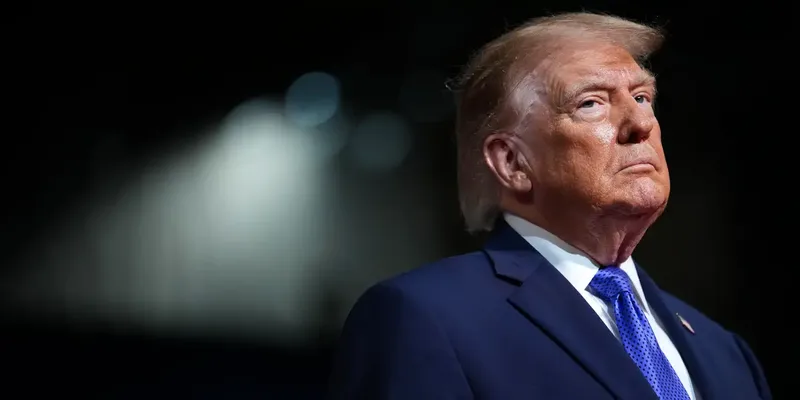
Trump says the administration once threatened the leader of a big AI company with jail time

AI-generated summary President Donald Trump said on an episode of 60 Minutes that his administration once threatened the leader of a major artificial intelligence company with jail time. Trump stated that he supported the technology in part as a contest with China and argued that the nation could not place itself in a deep second position.

Also covered by The Verge Futurism

The code and the court: Why your email security thinks like Napoleon

AI-generated summary CSO Online reports that email security relies on codified rules similar to civil law, which struggle with zero-day threats and attacks from trusted infrastructure. According to the article, Verizon and the FBI reported significant breach and loss statistics while organizations debate whether security should rely on static code or reasoned judgment.

Also covered by Computerworld Windows Latest theregister