Infrastructure & Hardware · Tue 10 Nov

Infrastructure and hardware comprise the physical compute systems, specialized chips, and data center components that power artificial intelligence workloads. Truncated covers chip architectures, supply chains, energy requirements, and the hardware deployments that enable large scale computing.

Yesterday · Tue 10 Nov

TSMC is seeing 'insatiable' demand for chips, executive tells Nikkei Forum

AI-generated summary A senior executive at Taiwan Semiconductor Manufacturing Co. stated at the Nikkei Forum Global Management Dialogue 2026 that the company faces extremely high demand for chips used to power artificial intelligence. The remarks from the world's biggest contract chipmaker come as the organization continues to see strong market interest for its semiconductor manufacturing capabilities.
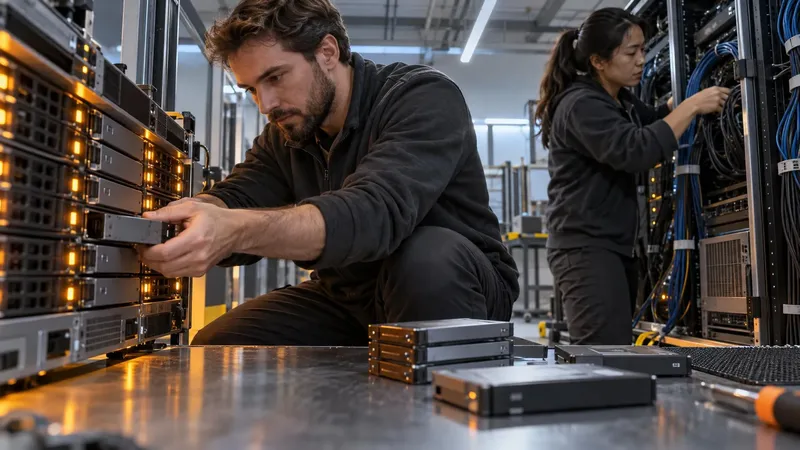
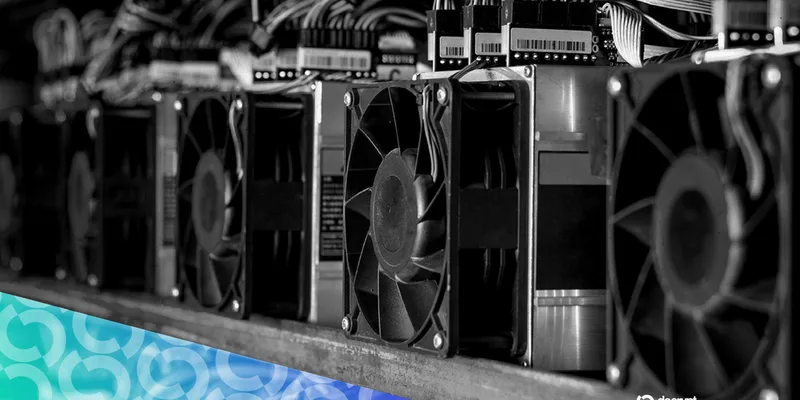
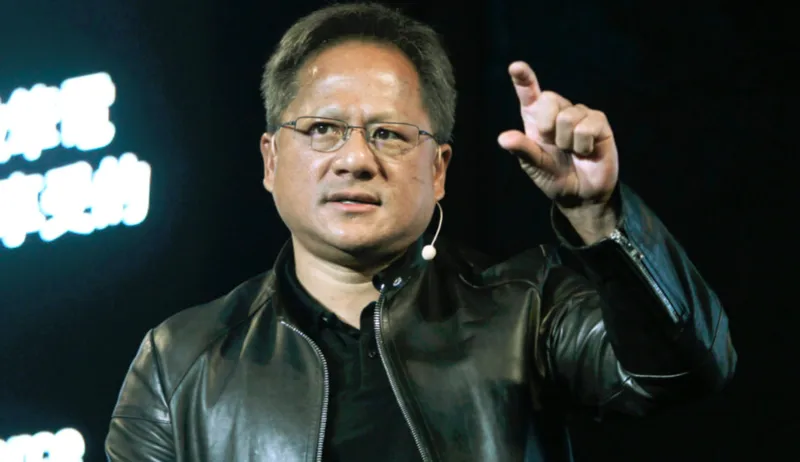
NVIDIA CEO Huang's Troubles Send Shockwaves Across AI Chip Supply Chains As Chatter Starts About Firm Losing Dominance To Custom ASIC AI Chips

AI-generated summary NVIDIA is facing supply chain concerns and potential order slowdowns following troubles involving CEO Jensen Huang and China-related chip sales. Supply chain sources believe that competitors like AMD and custom ASIC developers such as MediaTek and Broadcom could benefit from freed production capacity.

SoftBank, Petros, and Grab plan Malaysian data center buildout with "long-term target" of 5GW

AI-generated summary SoftBank, Petroleum Sarawak Berhad, and Grab signed a Joint Development Agreement for a Malaysian data center venture starting with an initial investment of 1 billion dollars. The three companies stated a long-term target of five gigawatts of compute in the Sarawak region and plan to seek additional investors and hyperscaler customers.

The CIO dilemma: Scaling production AI without breaking the power grid

AI-generated summary HPE and AMD are partnering to provide enterprise infrastructure that combines AMD EPYC processors, AMD Instinct GPUs, and HPE Cray architectures to scale artificial intelligence and high-performance computing workloads. To address power consumption and data center scalability, AMD EPYC CPUs and HPE thermal management technologies aim to improve energy efficiency while integrating hardware-based security features.