
AI News, 15 November 2026

Sunday 15 November

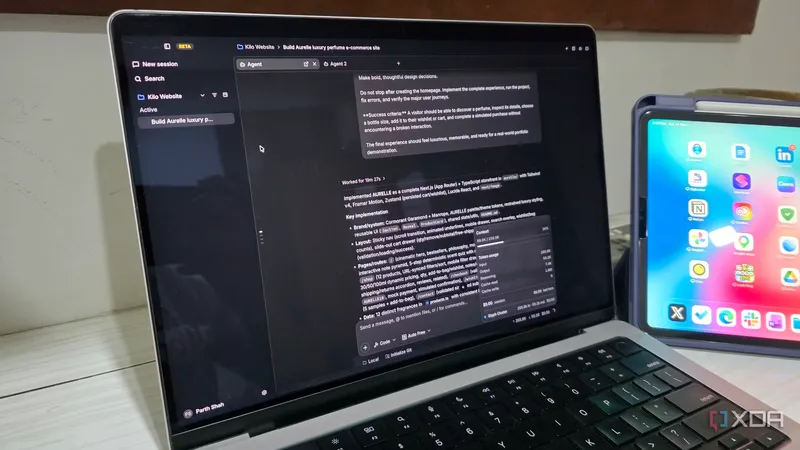
I replaced Claude Code, Codex, and Google Antigravity with a coding tool that makes all three feel outdated

AI-generated summary The author tested the Kilo Code platform as an alternative to Claude Code, Codex, and Google Antigravity. The open-source tool provides access to multiple AI models and supports running agents in parallel.

Earlier:

Medical Publisher's $100M Bet: Why Wolters Kluwer Is Embedding FDA-Cleared AI Into the World's Most-Used Clinical Reference Tool

Medical Publisher's $100M Bet: Why Wolters Kluwer Is Embedding FDA-Cleared AI Into the World's Most-Used Clinical Reference Tool

AI-generated summary Wolters Kluwer has agreed to acquire AgileMD in a transaction valued at up to $100 million to embed artificial intelligence into clinical workflows. The agreement announced November 13 includes $40 million upfront with the remaining balance contingent on performance targets.

AI Code Open Source Debate: Copyright vs HN

Should AI-Generated Code Be Open Source? What US Law Actually Says

AI-generated summary Developer Jakub Jankiewicz argued in an essay that code produced with artificial intelligence help should default to open source or CC0. The essay prompted discussions on Hacker News about training data, copyrightability, and ethics among practitioners.

Also covered byIntelligent ArtifactYESODIbyteiota | From Bits to Bytes

US Probes Nvidia Over Illegal Sales of Restricted AI Chips to China

US Probes Nvidia Over Illegal Sales of Restricted AI Chips to China

AI-generated summary The US government has started a formal inquiry into the export practices of Nvidia regarding shipments of hardware to China. The investigation focuses on whether the firm violated trade regulations by selling artificial intelligence chips subject to federal restrictions.

Also covered byAI AffairsDigital Trends
Earlier:

The Hidden Flaw in Hospital Quality Rankings That AI Could Finally Fix

The Hidden Flaw in Hospital Quality Rankings That AI Could Finally Fix

AI-generated summary Clinical registries used for hospital accreditation audit only 10 percent of cases, leaving data integrity questions that artificial intelligence tools now promise to resolve through complete chart review. Brent Dover of Carta Healthcare says artificial intelligence-assisted abstraction tools make complete data verification financially viable by shifting human work from chart searching to validating suggestions.