
code404zero.com · Mon 16 Nov

Monday 16 November

NVIDIA Vera Rubin NVL72 Achieves up to 2x Blackwell Ultra Performance in MLPerf Training v6.1
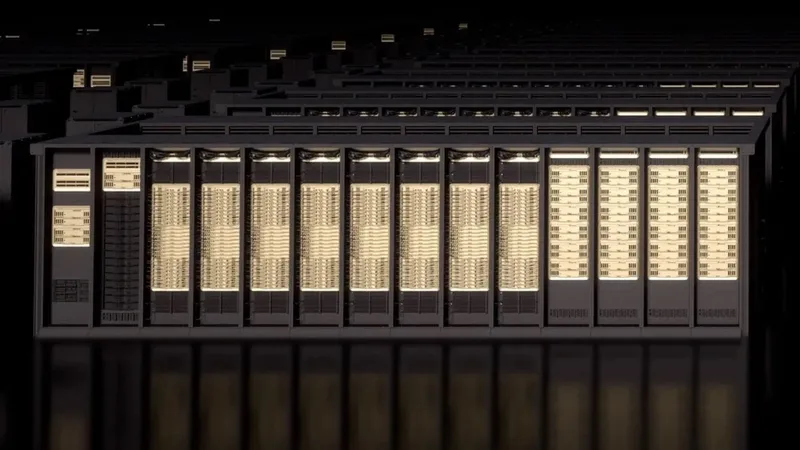
AI-generated summary NVIDIA says its Vera Rubin NVL72 platform achieved up to 2x more performance than a Blackwell Ultra baseline in MLPerf Training v6.1. NVIDIA says the new architecture delivered the fastest time to train on six of the seven benchmarks in its inaugural run.

Also covered byNVIDIA Blogdevotd.Code404Zero

Earlier:

US Issues Rule Blocking China's Remote Access to Advanced AI Chips Abroad

US Issues Rule Blocking China's Remote Access to Advanced AI Chips Abroad

AI-generated summary The US Commerce Department issued an interim final rule to restrict remote access to advanced American artificial intelligence chips and computing infrastructure in third countries. The regulation extends export licensing requirements for Nvidia chips to seven nations and requires buyers to disclose end users and intended applications.

Also covered byThe News92TechCrunchCode404Zero
Earlier:

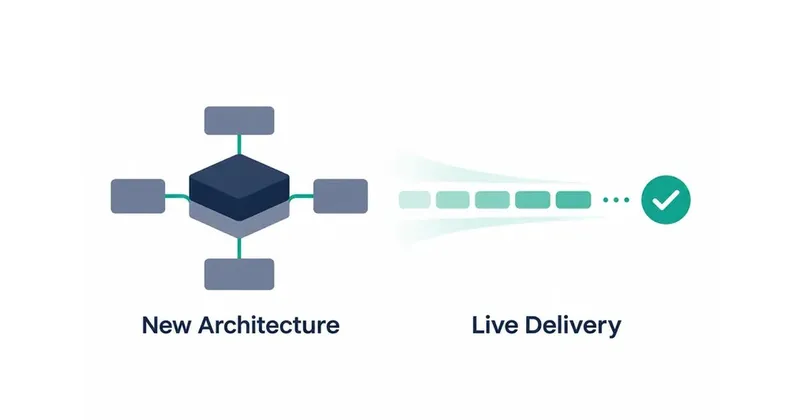
Qwen4-Max: New model architecture, phased delivery for long tasks

On a white background, layered navy and gray-blue 3D blocks on the left connect via teal lines to four gray-blue rounded rectangles above, below, left, and right. The label below reads ‘New Architecture’. On the right, five rounded rectangles in progressively darker teal sit horizontally among pale teal bands, with three small dots and a teal circle containing a white check mark. The label below reads ‘Live Delivery’.

AI-generated summary Alibaba unveiled Qwen4-Max, a model featuring a sparse mixture-of-experts architecture and a context limit of 1 million tokens. The company reports that Qwen4-Max uses phased delivery for long tasks to let developers check results early and change direction as work progresses.

Also covered byCode404ZeroTekediaSiliconANGLE

AI-written patches are becoming attack maps for hackers

AI-generated summary Anthropic’s Claude co-wrote 19 fixes for vm2 sandbox-escape vulnerabilities, while Rubrik lead product security engineer Shayaun Nejad warned that patches can serve as blueprints for attackers. OpenAI security researcher Tim de Waal and researchers at 1Password’s Off-by-1 Labs demonstrated that AI-generated patches frequently leave attack paths open.

Also covered byTechNewsReelCode404Zero