
AI in Society · Thu 12 Nov

AI in Society encompasses the widespread effects of artificial intelligence systems on everyday life, public institutions, labor markets and civic infrastructure. Truncated covers policy debates, ethics research, socioeconomic impacts, labor shifts and regulatory developments.

Today · Thu 12 Nov

Cisco’s people chief: ‘We can’t transform our workforce without fundamentally rethinking how we lead’

AI-generated summary Cisco is preparing its employees to experiment with artificial intelligence and learn new skills through training, coaching, mentoring, and career development opportunities. Francine Katsoudas states that Cisco cannot transform its workforce without fundamentally rethinking how leaders approach the integration of artificial intelligence.

Zimbabwean author Simbarashe Kundizeza cleared of using AI to write prize-winning story

AI-generated summary Zimbabwean author Simbarashe Kundizeza has been cleared of using artificial intelligence to write his prize-winning short story The Blue Fighter after a month-long investigation by the Caine prize for African writers. Caine prize chair Ellah Wakatama stated that the organization found the evidence clear and determined the work was human-written, following an inquiry that included metadata analysis and interviews with the author and judges.

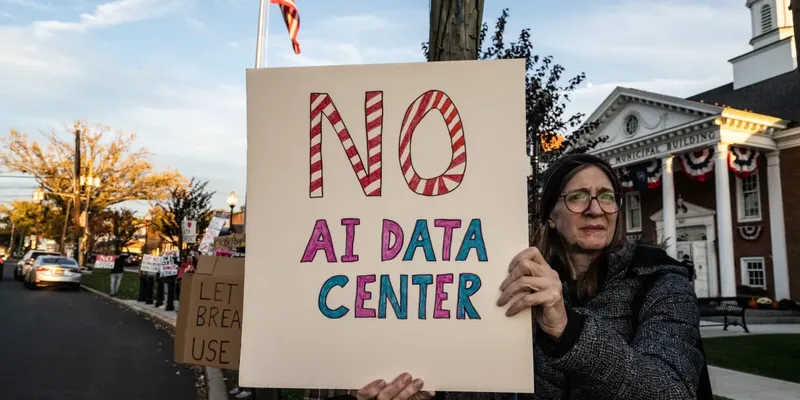
Hyperscalers have got a huge PR problem with data centers—this regulation academic has figured out the playbook for what they should do next

People participate in a protest of the CoreWeave AI data center outside the municipal building on October 21, 2026 in Kenilworth, New Jersey.

AI-generated summary McKinsey estimates that demand for data centers will nearly quadruple between 2024 and 2030, while Goldman Sachs noted that AI spending accounted for nearly one percentage point of real U.S. GDP growth in the first half of last year. UC Berkeley law professor Stavros Gadinis suggests that the playbook for addressing public pushback involves outreach to impacted communities, giving concerned parties a stake in development, and corporate accountability.

I asked ChatGPT, Gemini, Claude and Perplexity how AI companions will change our friendships and relationships by 2030 — these predictions surprised me the most

AI-generated summary The author asked ChatGPT, Gemini, Claude and Perplexity how artificial intelligence companions will change friendships and relationships by 2030. The chatbots predicted both positive impacts on interpersonal connections and negative outcomes from people relying on artificial intelligence as a replacement for human elements.

Jeff Bezos predicts AI could let families live on one paycheck. Amodei and Gates warn of a rougher road

AI-generated summary Amazon founder Jeff Bezos predicts that productivity gains from artificial intelligence could eventually allow households to live on a single paycheck. Meanwhile, Anthropic CEO Dario Amodei and Microsoft co-founder Bill Gates warn of a much more turbulent transition involving job losses and risks.

In the competition for cultural influence, AI has a default country

AI-generated summary Researchers at the University of the Basque Country and Cardiff University tested eight AI models across 24 languages with 31,680 variations involving open-ended questions about family life, culture, and tradition. The study found that six of the eight AI models consistently selected Japan as their default answer when filling in the blanks without any provided preferences or alternatives.

Fewer hours and higher wages – or more burnout and surveillance: employers told to prepare for AI

AI-generated summary Workplace relations minister Amanda Rishworth launched a guide on artificial intelligence adoption, warning employers about potential surveillance and burnout alongside possible higher wages. Major companies including Qantas, Canva, National Australian Bank and ANZ have reduced their workforces during restructures, while the Reserve Bank reported tentative signs of impacts on roles like computer programmers.

AI Rebounding: Why Companies Are Rehiring The Humans They Replaced

AI-generated summary Research from SHL and Orgvue shows that companies which replaced human workers with artificial intelligence are subsequently bringing employees back after discovering operational gaps. Gartner forecasts that by 2029, thirty percent of employees terminated and replaced by artificial intelligence will be rehired as organizations struggle to align workforce decisions with business needs.