
AI News, 14 November 2026

Saturday 14 November

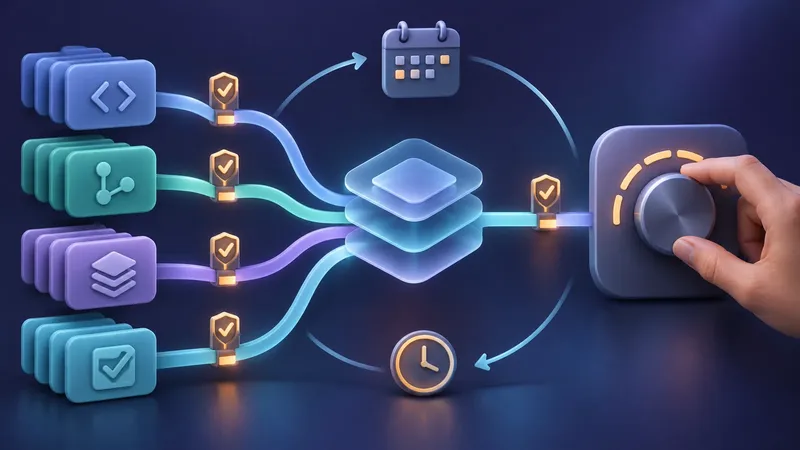
Kiro Crew launches persistent bots for recurring dev work

Conceptual illustration of parallel development workstreams passing permission checkpoints into a central persistent context, with a schedule icon and a hand adjusting a control dial.

AI-generated summary Kiro launched persistent bots in Kiro Crew to handle recurring development responsibilities across multiple sessions. Kiro states that users define each bot's goals, schedules, permissions, and tool access while retaining memory control.

Earlier:

Gemini API CLI Official Guide (Part 1): Giving Your AI Agent a Stateless Multimodal CLI Toolbox

AI-generated summary Google individual developer CLI entry points transitioned to Antigravity CLI for specific personal and consumer account scopes. The gemini-api ships as a standalone Go binary and acts as a stateless multimodal CLI toolbox for developers.

Earlier:

Google Antigravity Dynamic Workflows: /run-workflow for AI Pro and Ultra

AI-generated summary Google released version 2.32.0 of the Antigravity application with a Dynamic Workflows feature that allows its coding agent to write and run a Python script directing subagents. According to Google documentation, the feature is started with the run-workflow command and is available to subscribers of Google AI Pro and Google AI Ultra.

Earlier:

Let's say the espionage doubters are right. Should Jensen Huang still get his job back?

AI-generated summary The Stand with Jensen movement has raised questions about whether the Nvidia board moved too quickly in accepting the resignation of CEO Jensen Huang. Organizers and reporters have questioned the validity of espionage allegations and whether the board's decision damaged America's lead in AI technology.

Also covered byTechCrunchFusion42The News92
Earlier:

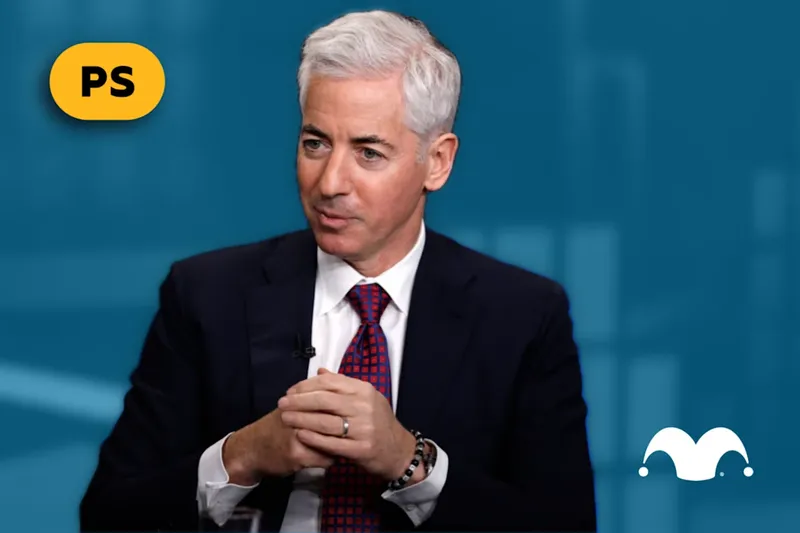
Billionaire Bill Ackman Says There’s a Huge Disconnect in Wall Street’s Expectations for Amazon, Microsoft, Meta, and Alphabet

AI-generated summary Billionaire Bill Ackman says Wall Street analyst expectations for Amazon, Microsoft, Meta, and Alphabet contain a notable disconnect regarding capital spending and revenue growth. Ackman estimates that AI data center capacity costs between $40 billion and $50 billion per gigawatt to build while generating substantial annual revenue once operational.

Most AI Video Demos Hide the Hard Part: Keeping the Workflow Together

AI-generated summary Web Pulse reports that most artificial intelligence video demonstrations conceal the complexity of maintaining a cohesive production workflow across multiple applications. The source explains that connecting an assistant to a complete video tool through the Model Context Protocol helps manage production stages without switching interfaces.

Codex CLI Setup: 12 Steps in 60 Min [2026]

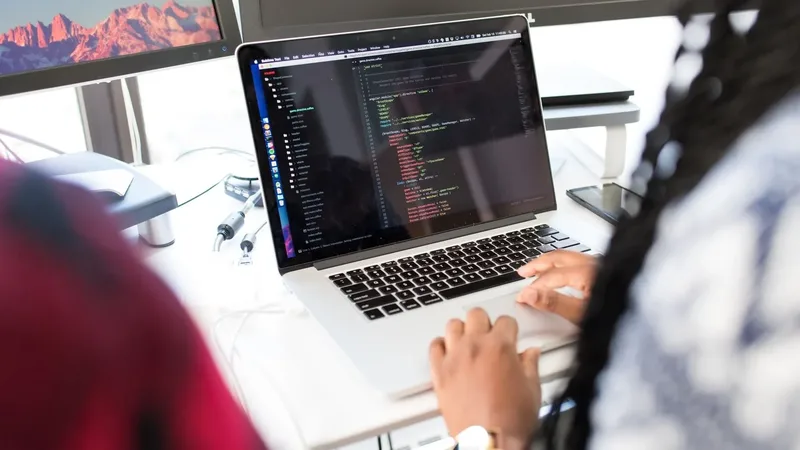
Illustrative: Two people at a desk with a laptop showing code in a text editor

AI-generated summary OpenAI reports that Codex CLI is an open-source terminal agent that edits files and runs tests in working directories. OpenAI states that users can sign in using a ChatGPT account or an API key to access models like GPT-6.1 Sol.

Also covered byWeb Pulse
Earlier:

How to get better results from Google Gemini

AI-generated summary Google Gemini is an AI assistant designed to deliver informative and concise answers while helping users with their daily workflows and searches. Users can optimize their experience with Google Gemini by integrating apps, crafting specific prompts, utilizing saved skills, and adjusting chat parameters.

Earlier:

AMD MEXT: AI Flash Tiering Cuts Server DRAM Costs by 83%

AI-generated summary AMD has introduced MEXT, a predictive memory software layer designed to let EPYC servers operate at half their DRAM capacity while maintaining baseline performance. AMD reports that internal deployments across 145 servers achieved an 83 percent reduction in memory expansion costs and avoided significant DRAM purchases.

Earlier: