bioengineer.org

Tuesday 17 November

Comparative Study Reveals Disparate Performance in Light Field Occlusion

AI-generated summary A comparative study evaluating light field occlusion-removal methods analyzed six methodological families including deep-learning paradigms and traditional signal-processing techniques. The investigation noted that network size does not always correlate directly with reconstruction accuracy while vision-language model-guided reconstruction currently faces significant limitations.
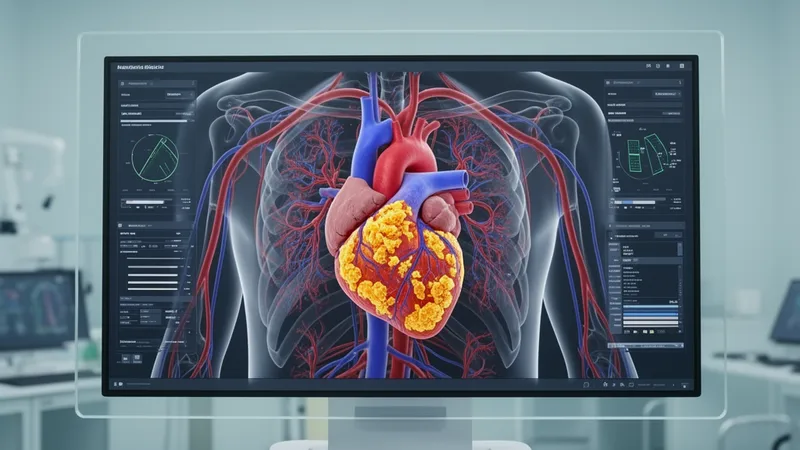

Abdominal CT Radiomics Identifies Prevalent Heart Disease in Type 2

AI-generated summary Researchers evaluated a hybrid analytical model combining pancreatic and aortic radiomic features from routine non-contrast abdominal computed tomography with clinical factors for patients with type 2 diabetes mellitus. The retrospective study examined 407 patients to assess whether the integrated clinical-radiomic tool improves the identification of prevalent coronary heart disease.

Also covered byBIOENGINEER.ORG

Monday 16 November

Conceptual Framework Proposes End-to-End Safety Audits for Voice Healthcare

AI-generated summary Frontiers in Digital Health published an analysis outlining a structured evaluation framework for voice-first generative artificial intelligence systems in healthcare settings. The author Osman Diriye Hussein examines failure points between spoken patient inputs and automated interpretations to protect patient safety during clinical encounters.

Sunday 15 November

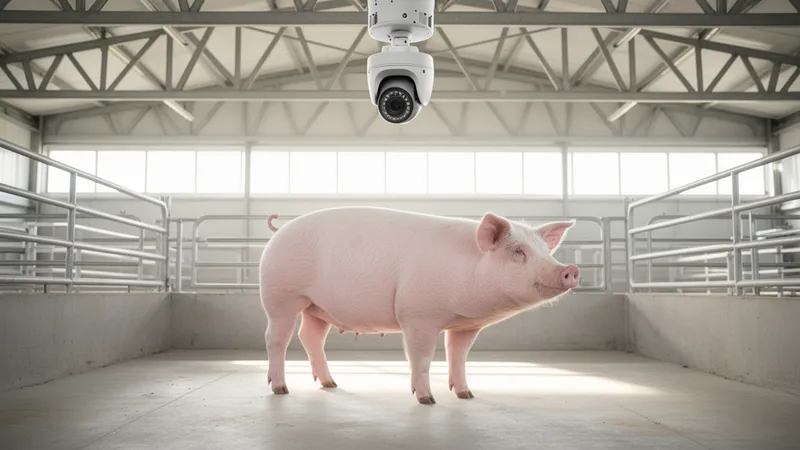
Self-Supervised Vision Model Estimates Live Pig Weight Within Three

AI-generated summary Agricultural engineers and animal scientists developed an automated dual-stream computer vision framework named DINOv3-DFR that estimates the live body weight of finishing pigs from top-down overhead visual and spatial imagery. Tested on thousands of paired colour and depth image pairs collected in commercial housing, the system achieved a mean absolute error of 2.96 kilograms and a coefficient of determination of 0.927.

Also covered byScience

Integrated Deep Learning Framework Predicts Underground Hazards in Smart

AI-generated summary Researchers Ran Shi and Jinchun Xue published a study describing a computational framework that combines computer vision, recurrent neural architectures, variational autoencoding, and heuristic optimization. The system achieved a 98.76 percent classification accuracy in simulated underground hazard detection, according to a technical study published in Discover Computing.

Saturday 14 November

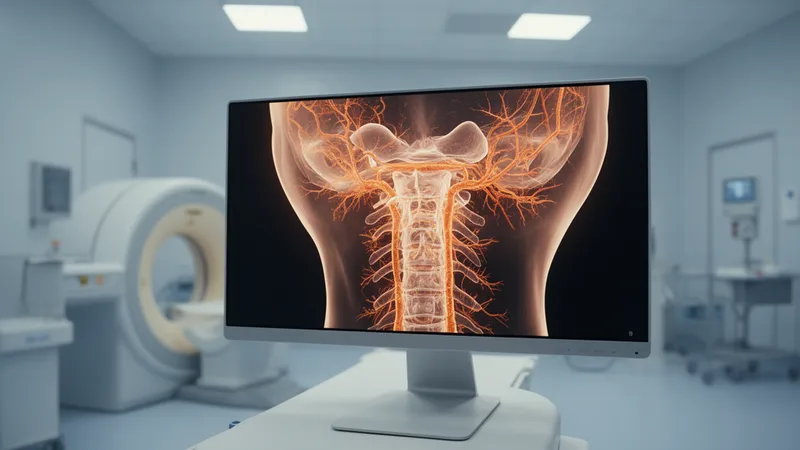
Super-Resolution MRI Enhances Preoperative Prediction of Cervical Cancer

AI-generated summary Researchers applied a deep learning framework using three-dimensional super-resolution reconstruction to magnetic resonance imaging data from cervical cancer patients. The investigation demonstrated that the artificial intelligence pipeline enhanced radiomic modeling and improved the preoperative identification of lymphovascular space invasion.

Also covered byBIOENGINEER.ORG