AI for Science · Tue 10 Nov

AI for Science refers to the application of machine learning methods to accelerate scientific discovery and research workflows across academic and industrial laboratories. Truncated covers research papers, computational biology tools, materials discovery models, and laboratory automation updates.

Yesterday · Tue 10 Nov

How AI powers Hong Kong Baptist University professors’ research to benefit society

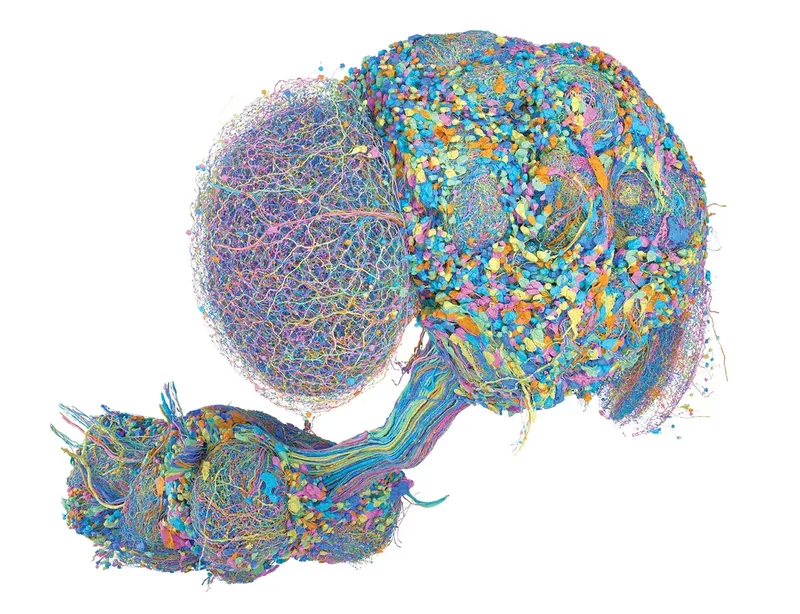
AI-generated summary Hong Kong Baptist University professors Zhou Changsong and Gao Meng received funding from Hong Kong’s Research Grants Council for projects utilizing artificial intelligence and data-driven computation. Zhou uses artificial intelligence to build virtual brain models for neuroscience research, while Gao applies machine learning to predict extreme temperatures and air pollution.
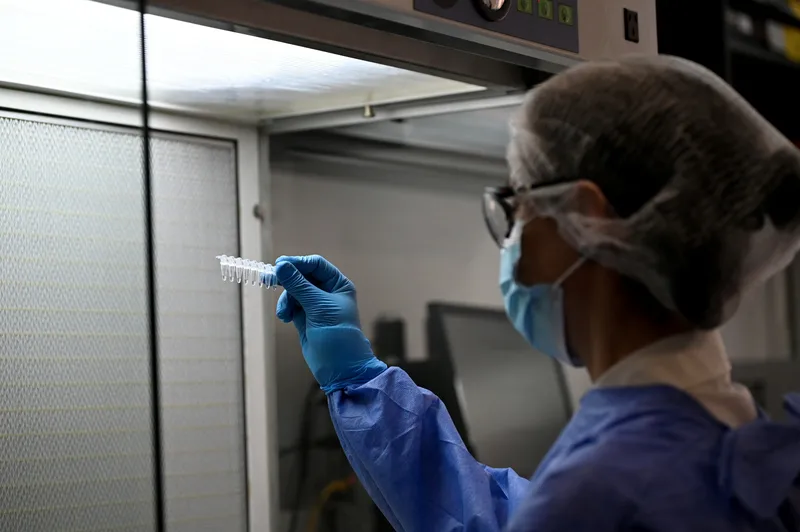

iORGANBIO and Mitsui Chemicals Pair AI With Oxygen-Permeable Plates to Solve Organoid Reproducibility as FDA Ends Animal Testing

forensic geneticist examines DNA samples human remains

AI-generated summary iORGANBIO has received a strategic investment from Mitsui Chemicals through the 321Catalyst fund and is collaborating to combine its closed-loop artificial intelligence platform with high-oxygen-permeability cell culture plates. iORGANBIO states that its CellForge platform belongs to a category of technology called Physical AI, combining artificial intelligence prediction with robotic execution in a continuous feedback loop.

AI is changing cancer treatment — and a new breakthrough shows just how far we've come

AI-generated summary Researchers are using artificial intelligence to understand cancer at a detailed level and develop personalized treatments based on a patient's unique genetic tumor makeup. In a Phase 3 trial, an experimental personalized melanoma vaccine developed by Moderna and Merck combined with Keytruda reduced recurrence or death risk by 42% compared with Keytruda alone.

A New AI Tool From Google DeepMind Proved the Signal Protocol Is Secure

AI-generated summary Google DeepMind researchers used a new AI framework called AlphaProof Code to mathematically prove cryptographic guarantees of the Signal protocol. Signal chief technology officer Ehren Kret says verifying the implementation gives greater confidence in the code privacy guarantees.

Also covered by theregister Google DeepMind 9to5Mac
+4 moreSecurityWeek @sundarpichai @GoogleDeepMind Ars Technica